Solar System
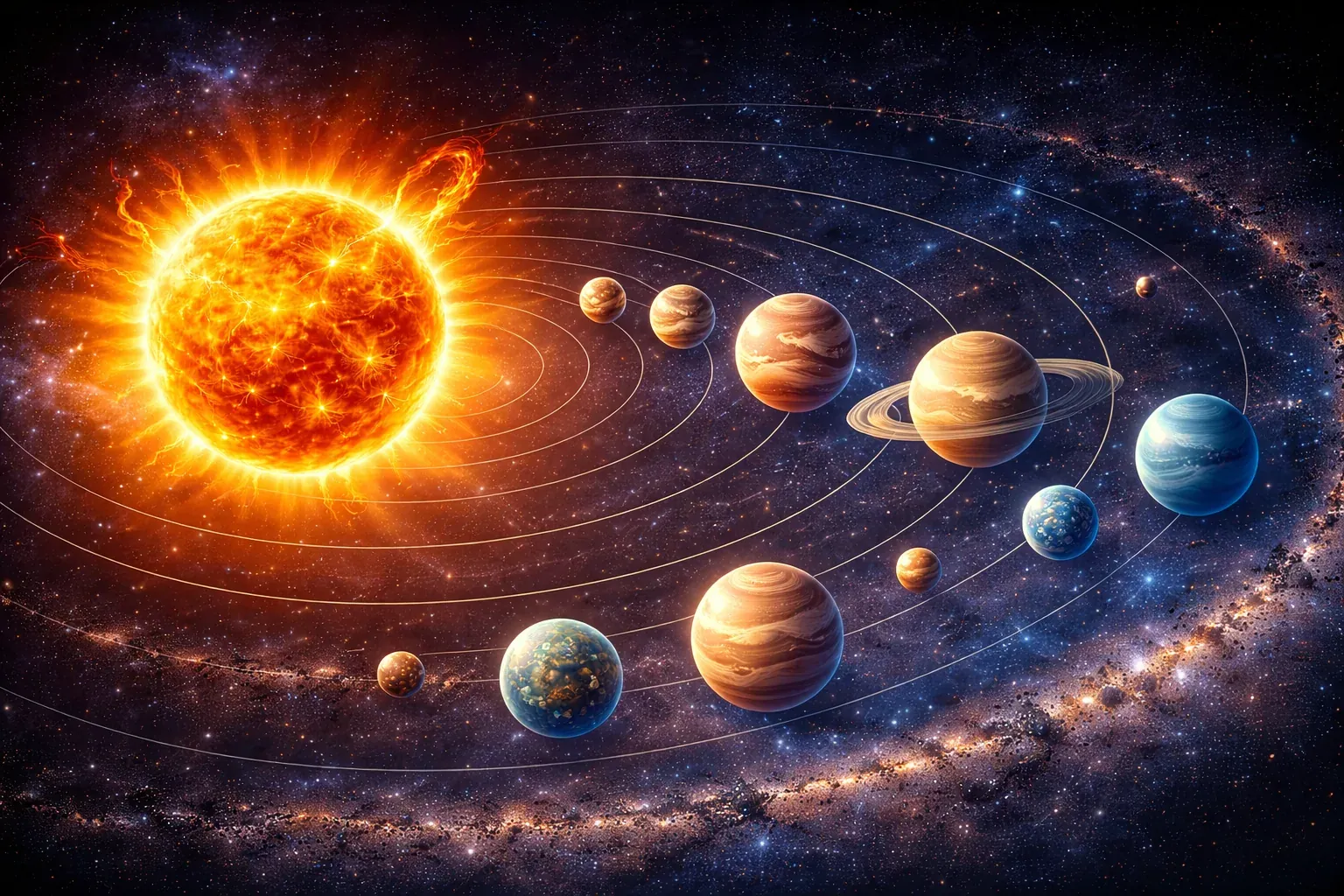
From the Sun to Neptune — plus moons, dwarf planets, comets and the Kuiper Belt.
Start with these
These are the clearest entry points in the archive. The full library contains more visual guides, maps and related objects.
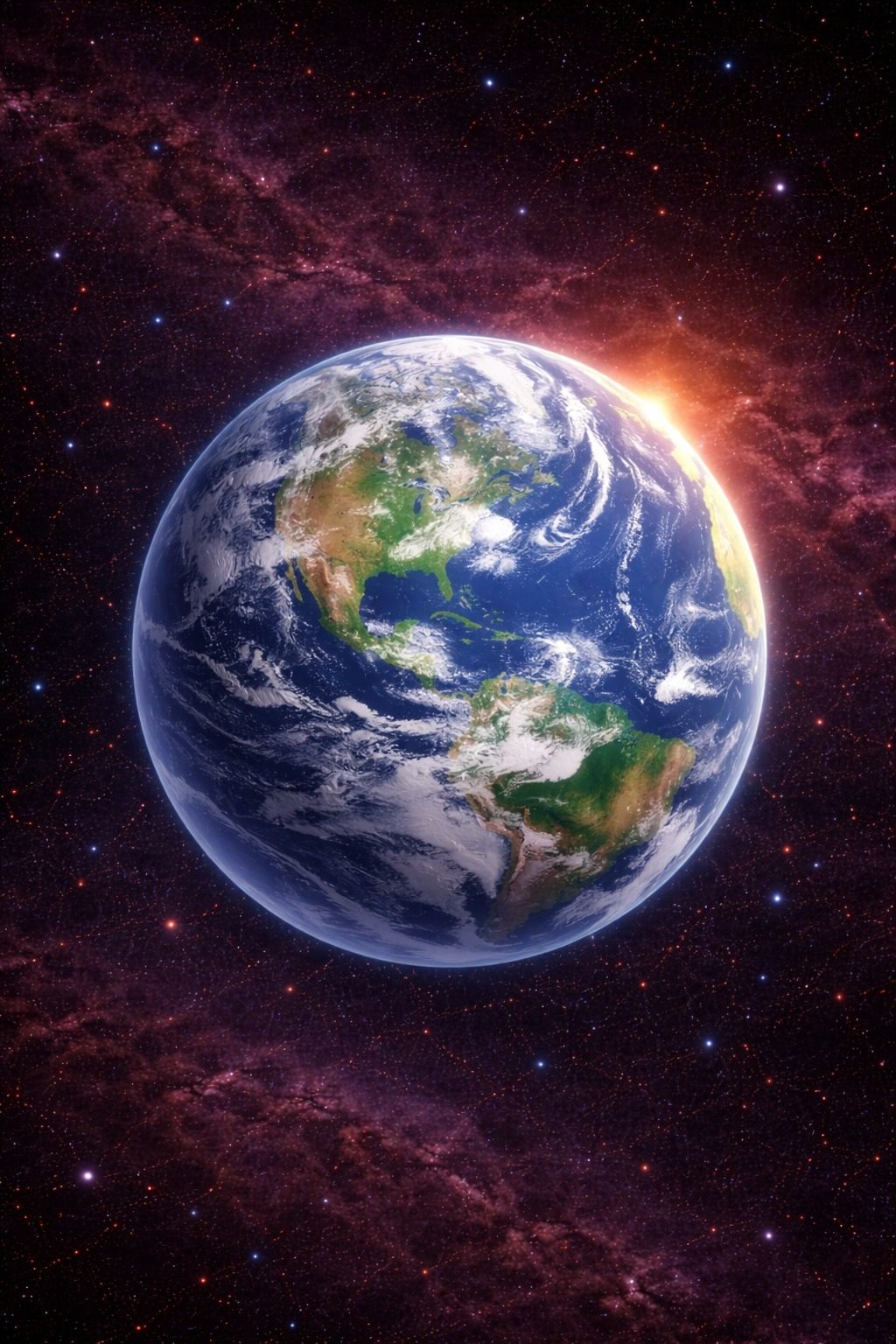
Earth
Our home world: a rocky planet with liquid oceans, a protective atmosphere and one natural moon.
Explore →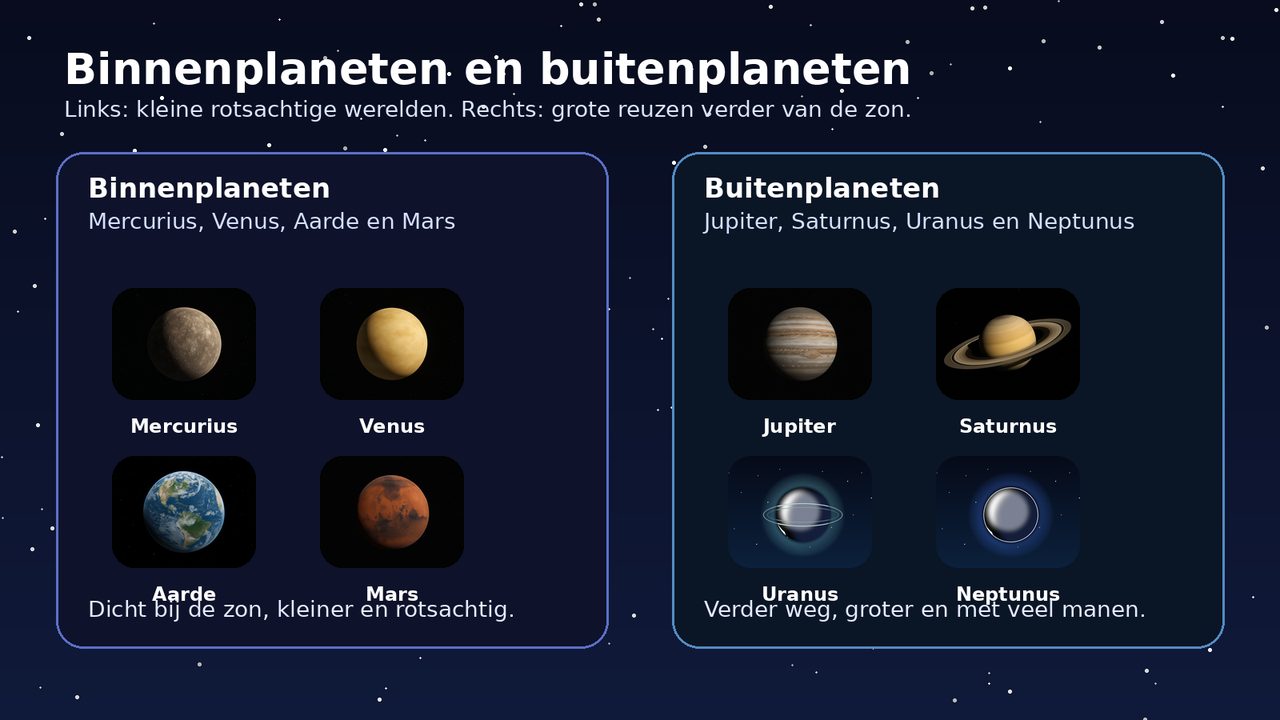
Inner and Outer Planets
Learn the essentials of Inner and Outer Planets and how it connects to the Sun, planets, moons and orbital motion.
Explore →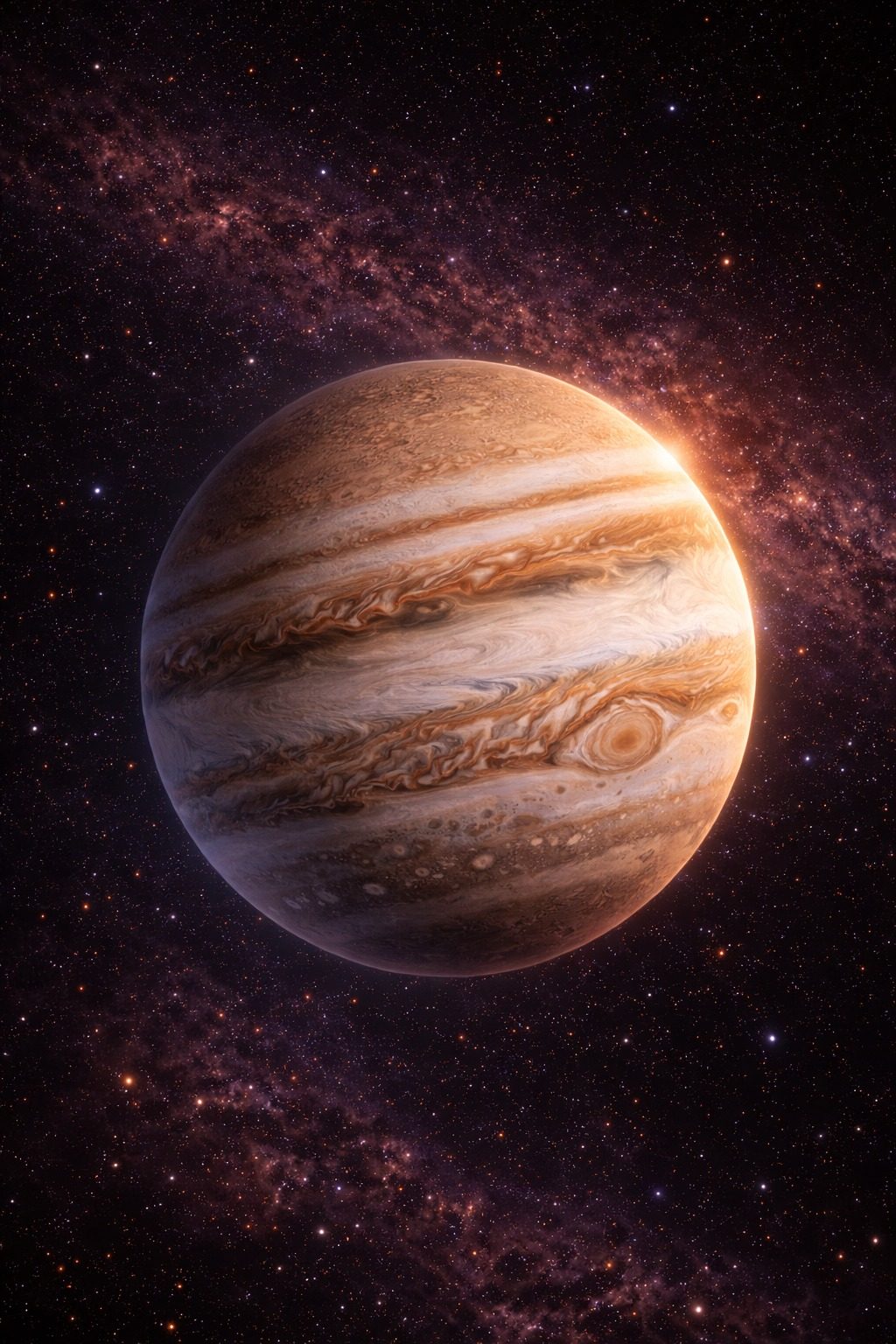
Jupiter
Learn the essentials of Jupiter and how it connects to the Sun, planets, moons and orbital motion.
Explore →
Latest Space News
Learn the essentials of Latest Space News and how it connects to the Sun, planets, moons and orbital motion.
Explore →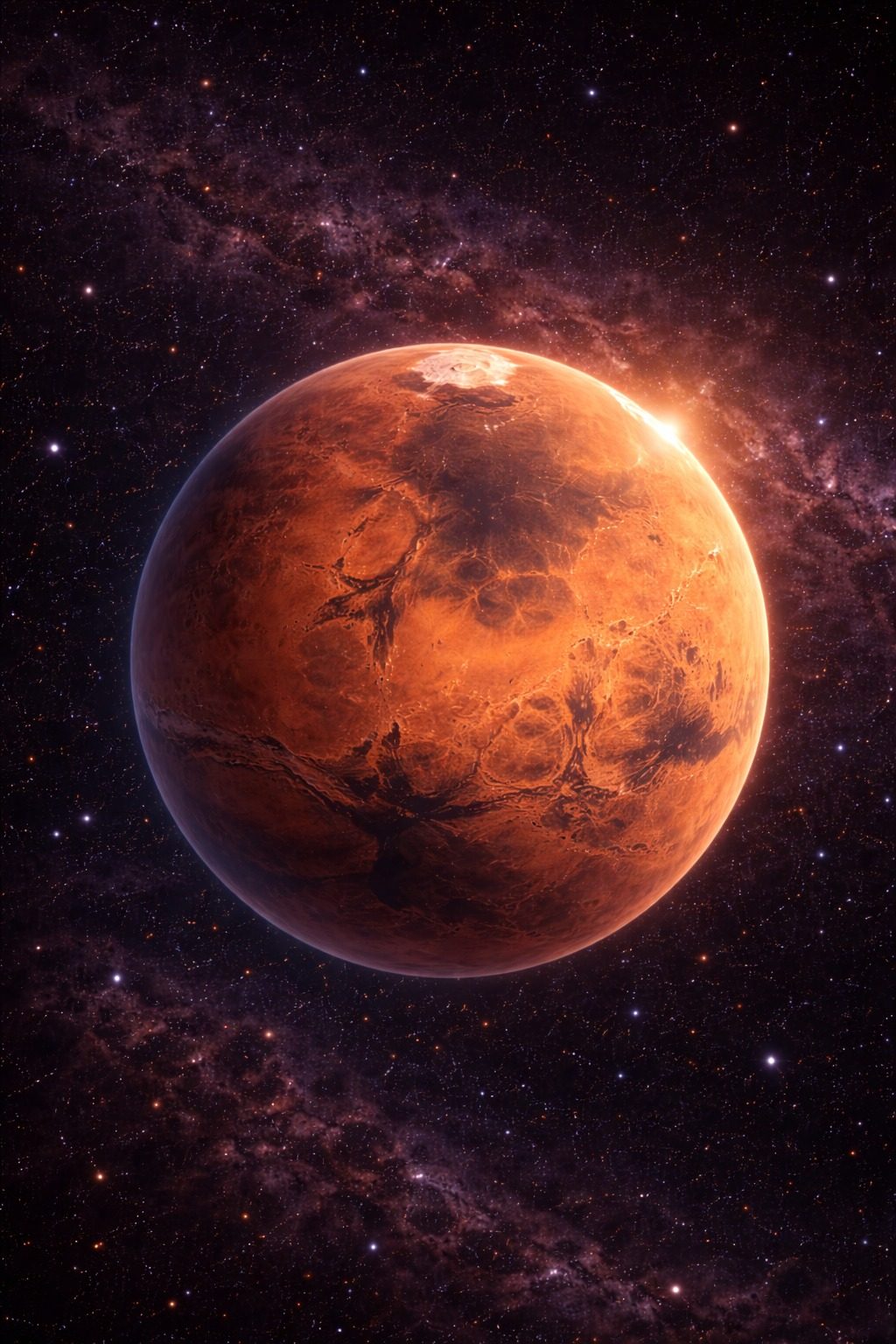
Mars
Learn the essentials of Mars and how it connects to the Sun, planets, moons and orbital motion.
Explore →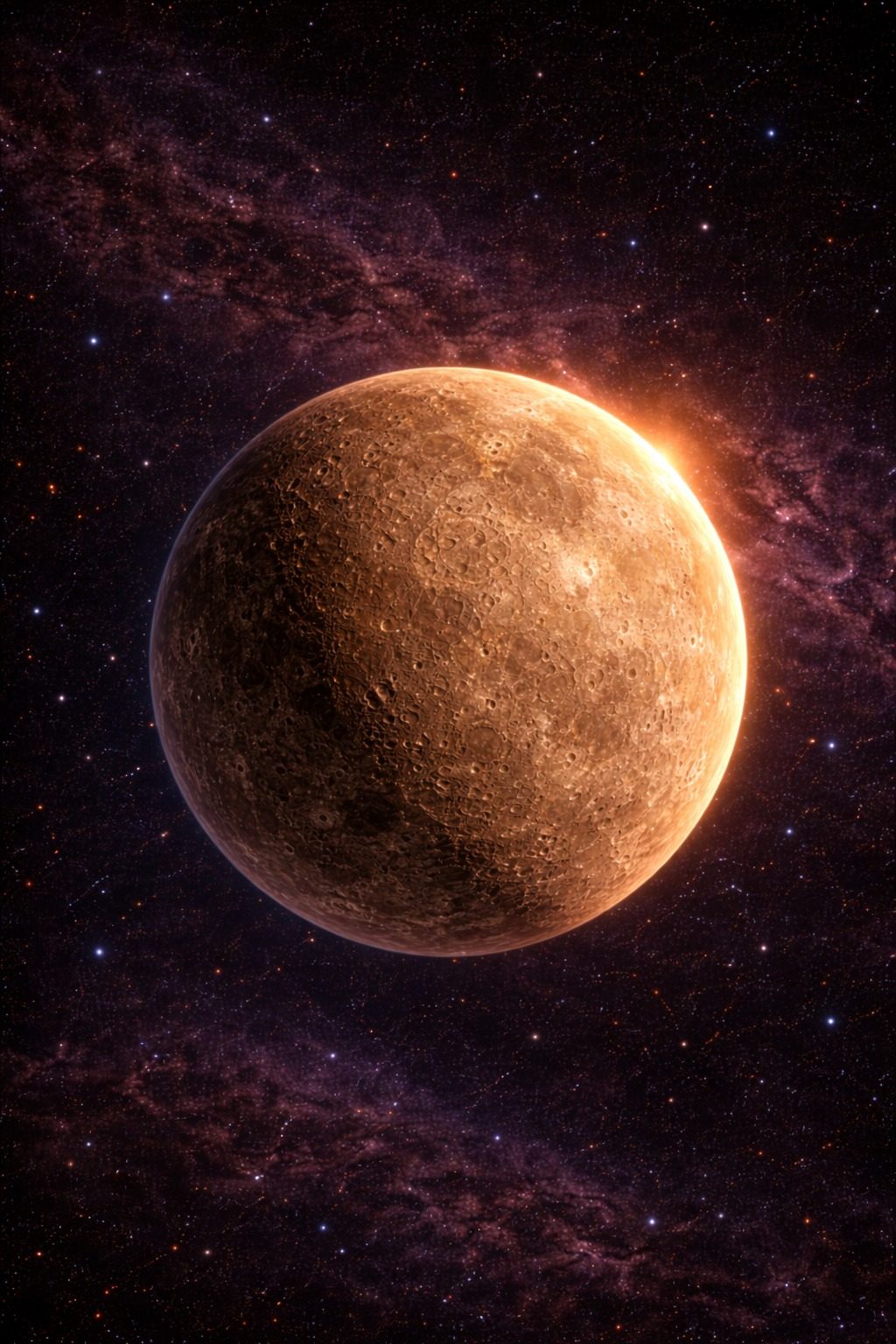
Mercury
Learn the essentials of Mercury and how it connects to the Sun, planets, moons and orbital motion.
Explore →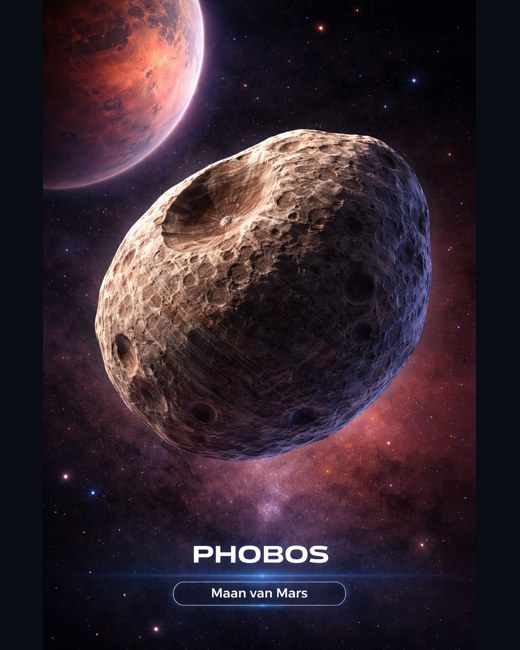
Moonengallery
Learn the essentials of Moonengallery and how it connects to the Sun, planets, moons and orbital motion.
Explore →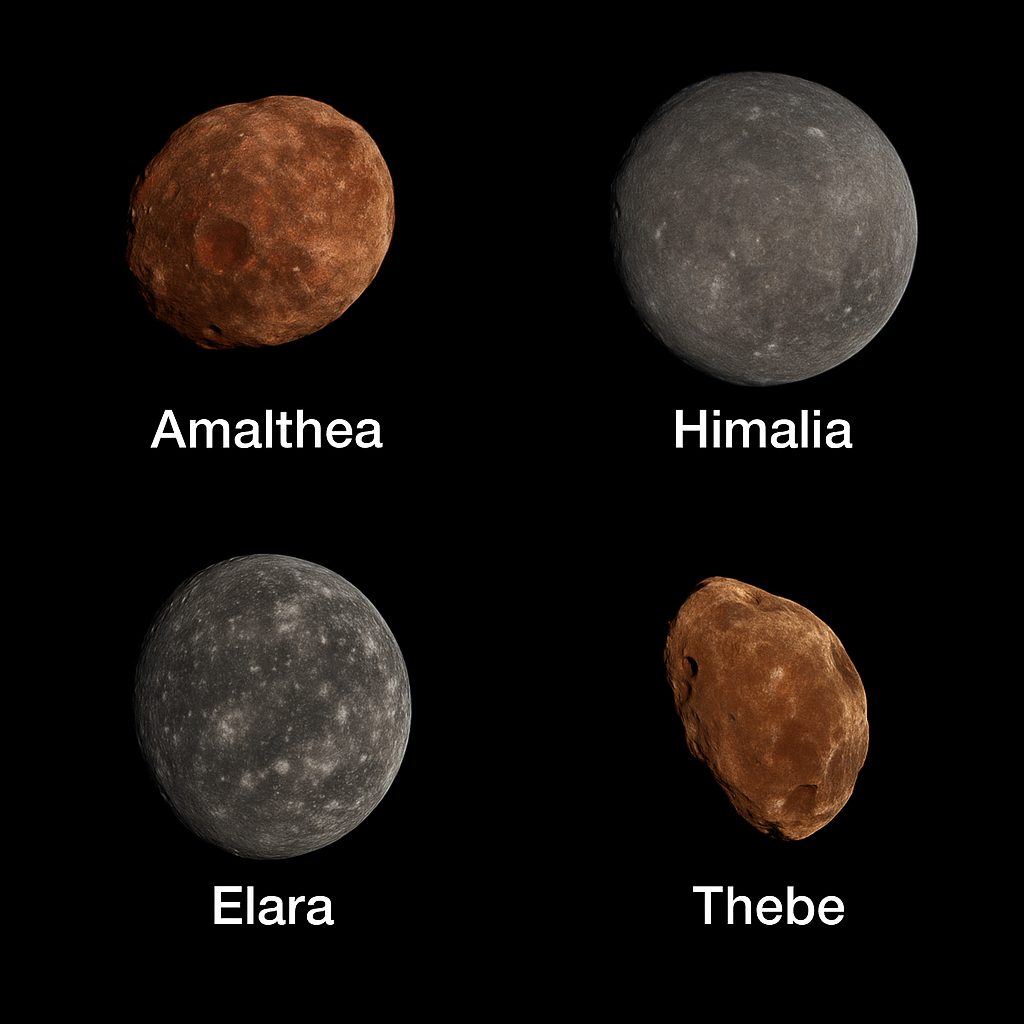
More Moons of Jupiter
Learn the essentials of More Moons of Jupiter and how it connects to the Sun, planets, moons and orbital motion.
Explore →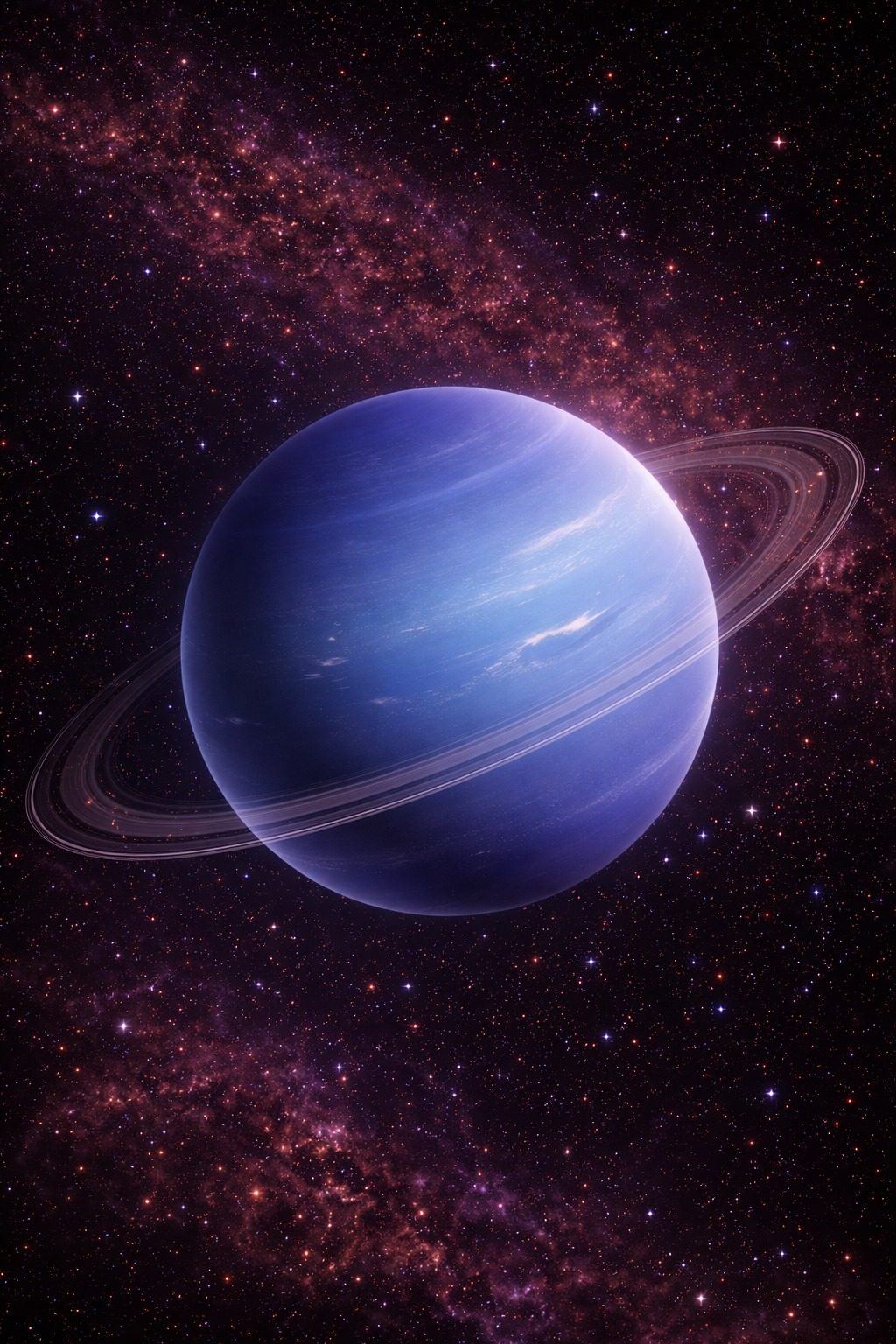
Neptune
Learn the essentials of Neptune and how it connects to the Sun, planets, moons and orbital motion.
Explore →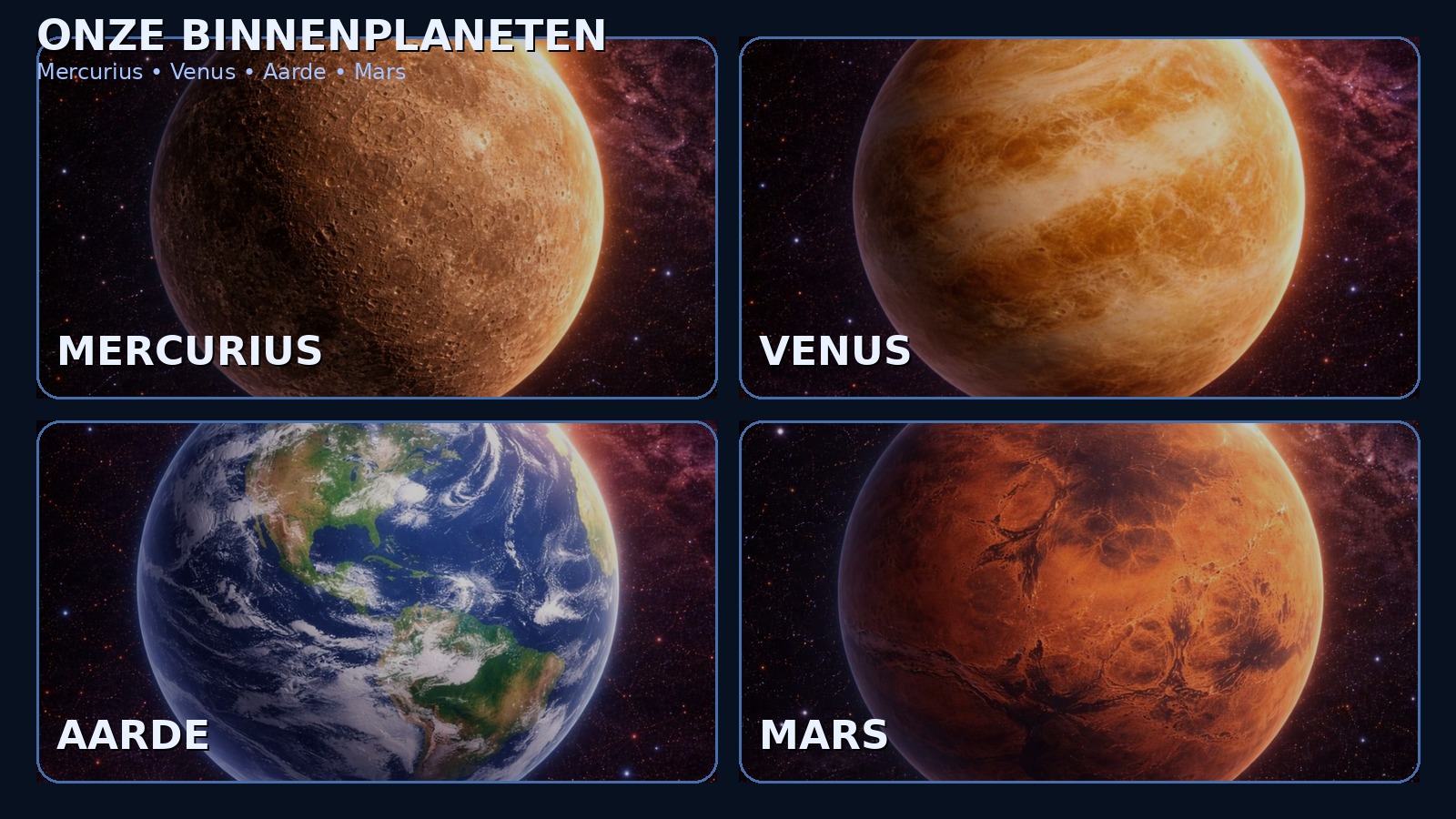
Our Inner Planets
Learn the essentials of Our Inner Planets and how it connects to the Sun, planets, moons and orbital motion.
Explore →Our Solar System
Learn the essentials of Our Solar System and how it connects to the Sun, planets, moons and orbital motion.
Explore →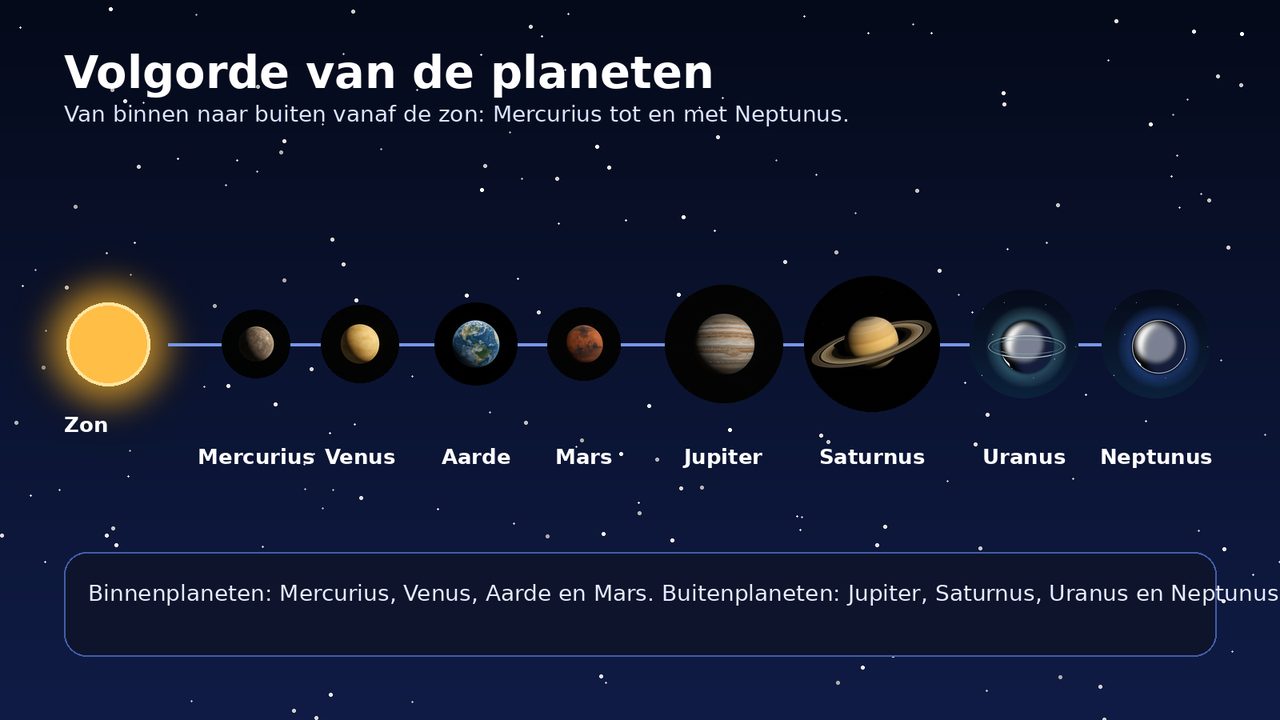
Planet Order
Learn the essentials of Planet Order and how it connects to the Sun, planets, moons and orbital motion.
Explore →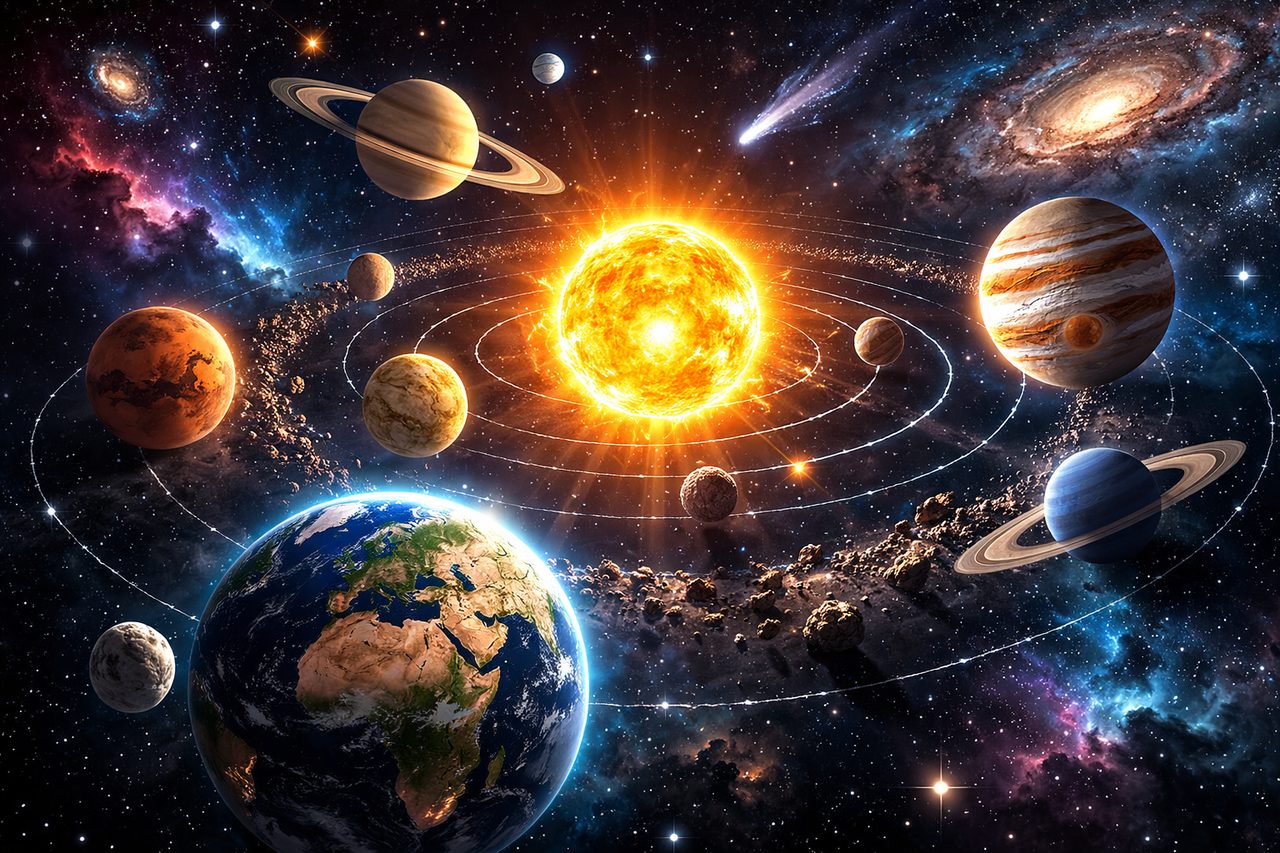
Planets
Learn the essentials of Planets and how it connects to the Sun, planets, moons and orbital motion.
Explore →
Saturn
Learn the essentials of Saturn and how it connects to the Sun, planets, moons and orbital motion.
Explore →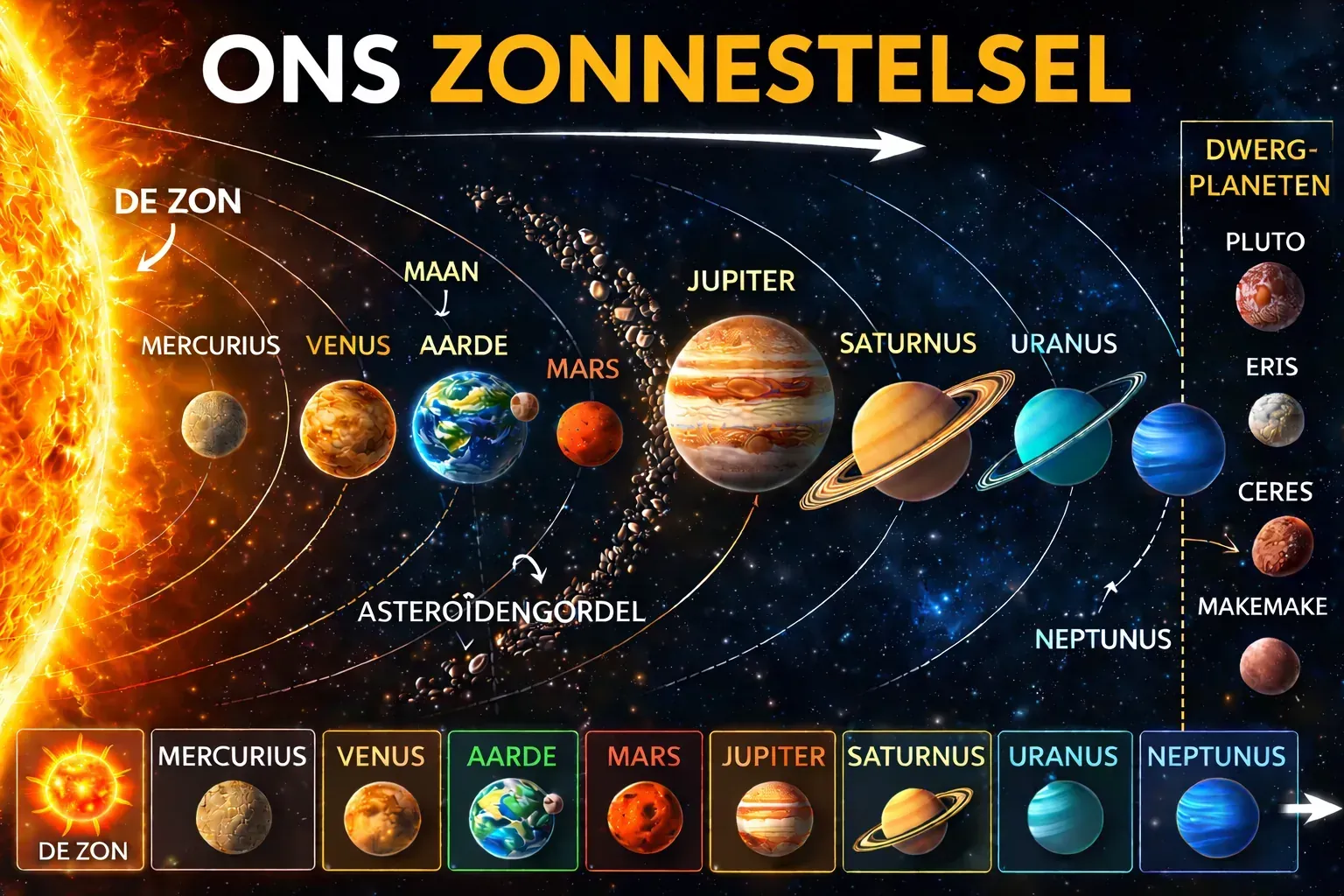
Solar System
Learn the essentials of Solar System and how it connects to the Sun, planets, moons and orbital motion.
Explore →
Space, Step by Step
Learn the essentials of Space, Step by Step and how it connects to the Sun, planets, moons and orbital motion.
Explore →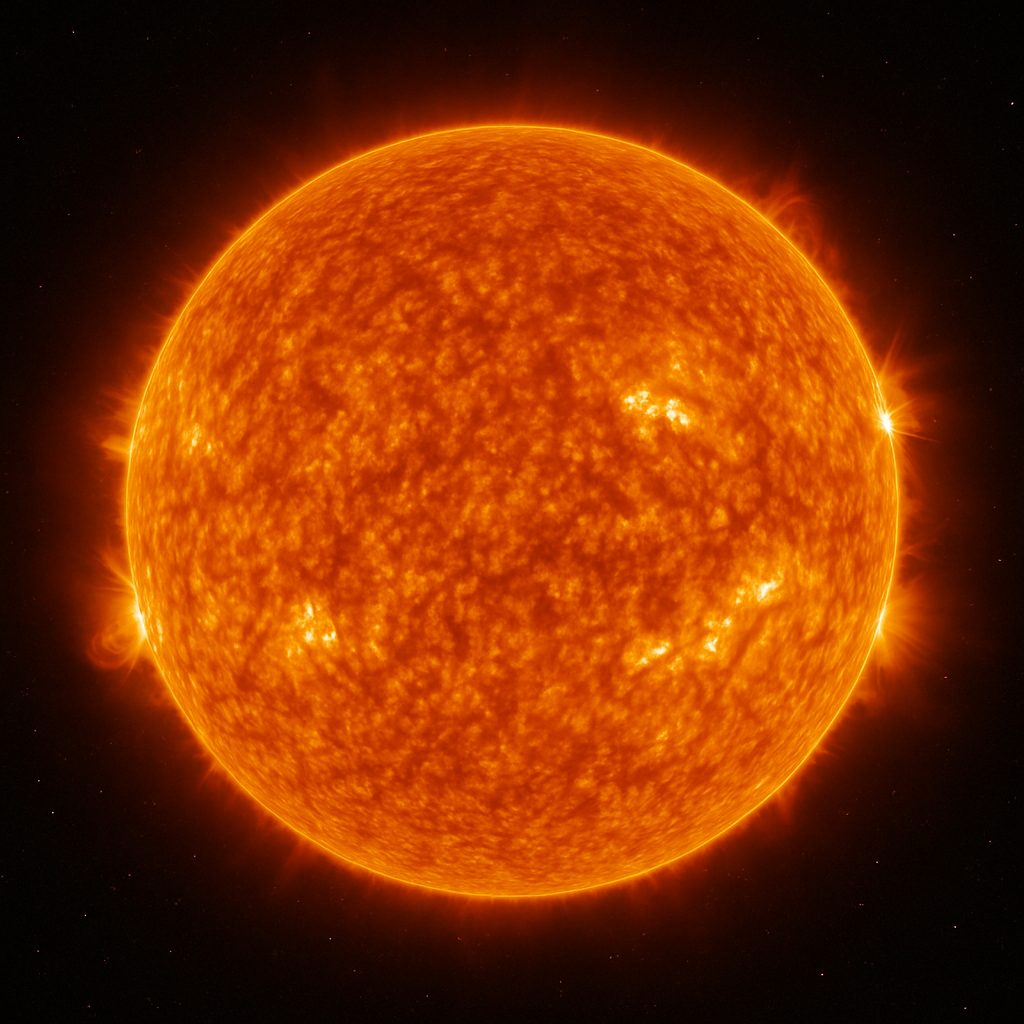
The Sun
The star that powers almost every surface ecosystem on Earth and holds the Solar System together with gravity.
Explore →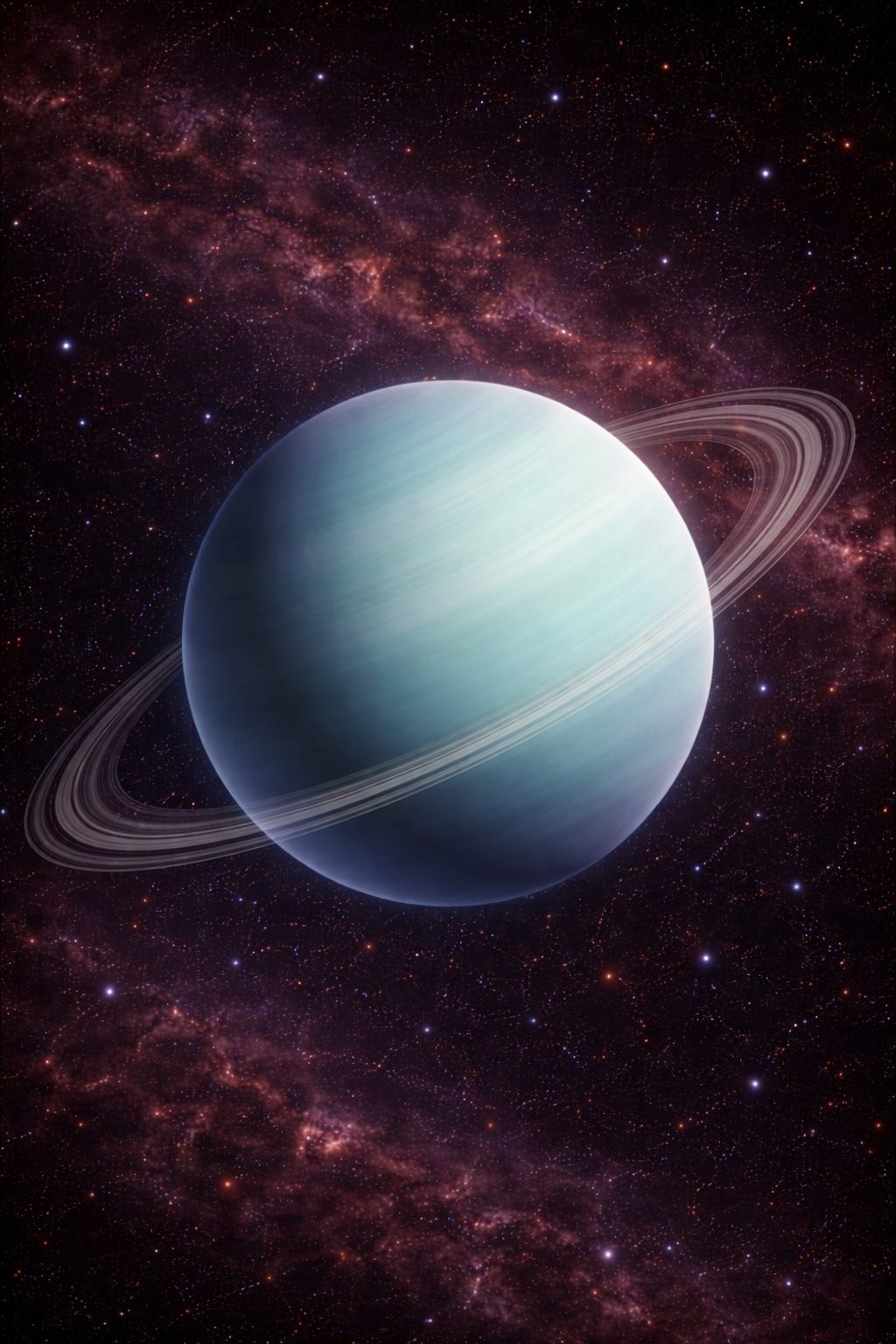
Uranus
Learn the essentials of Uranus and how it connects to the Sun, planets, moons and orbital motion.
Explore →