English live version

Built around the reader

Learn space in clear English, one step at a time

This version of VisibleGalaxies.org gives the reader a calm starting point. You can begin with the Solar System, open all eight planets, compare the inner and outer worlds, and then continue into the star pages without getting lost.

Why this version works better:
the page opens with direct choices, the blocks are easy to scan, the text speaks to the reader, and the next step is always clear.
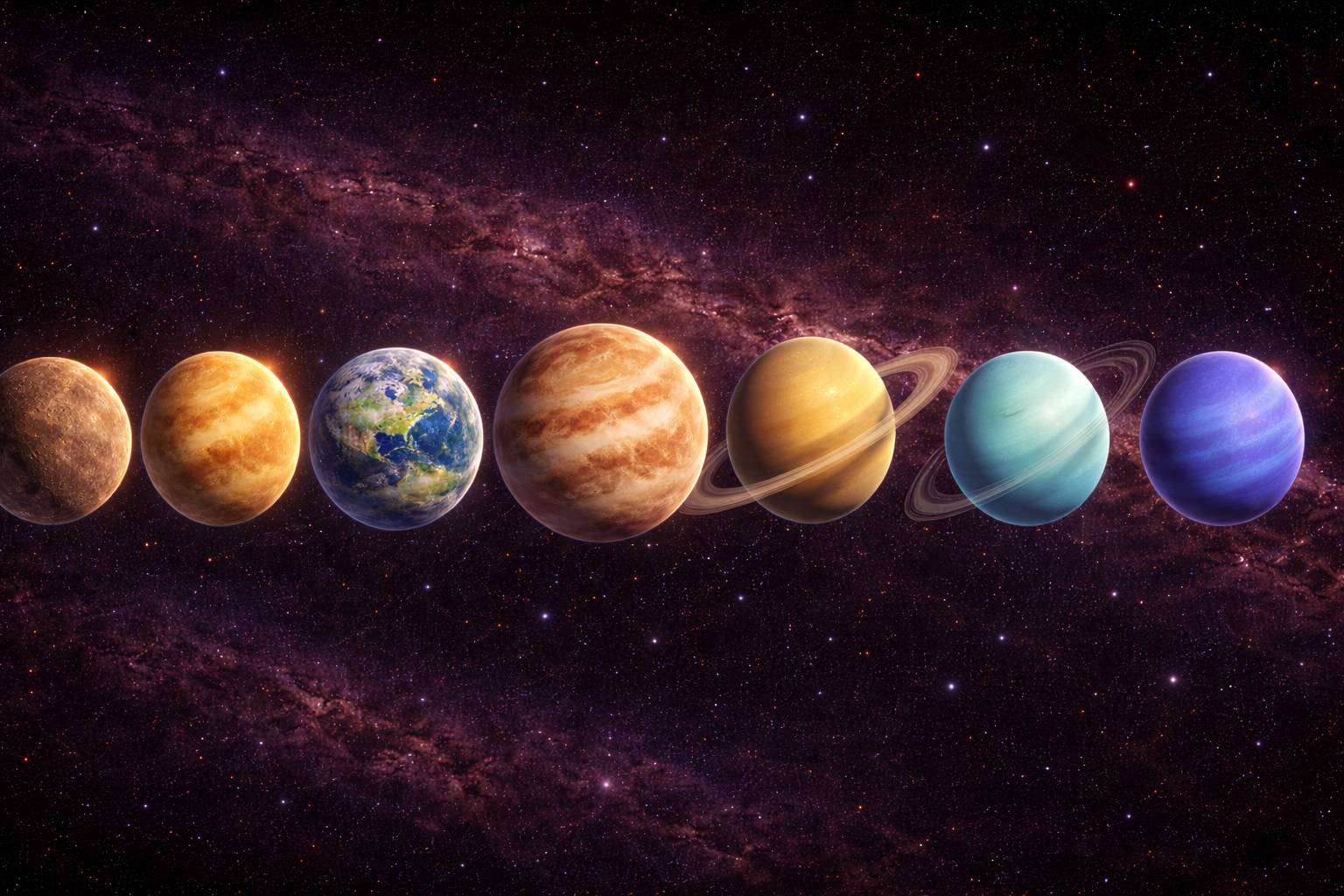
A line of the major planets against a starry background.

A simple visual path from the inner rocky planets to the distant outer giants.
Best places to begin

Use the site without having to search

These pages are the easiest entry points when you want a quick overview first and details after that.

The Sun, the Moon, and the planets

Start close to home and move outward

These pages explain the Sun, the Moon, and the major planets in clear English with strong buttons and short summaries before the longer reading blocks.

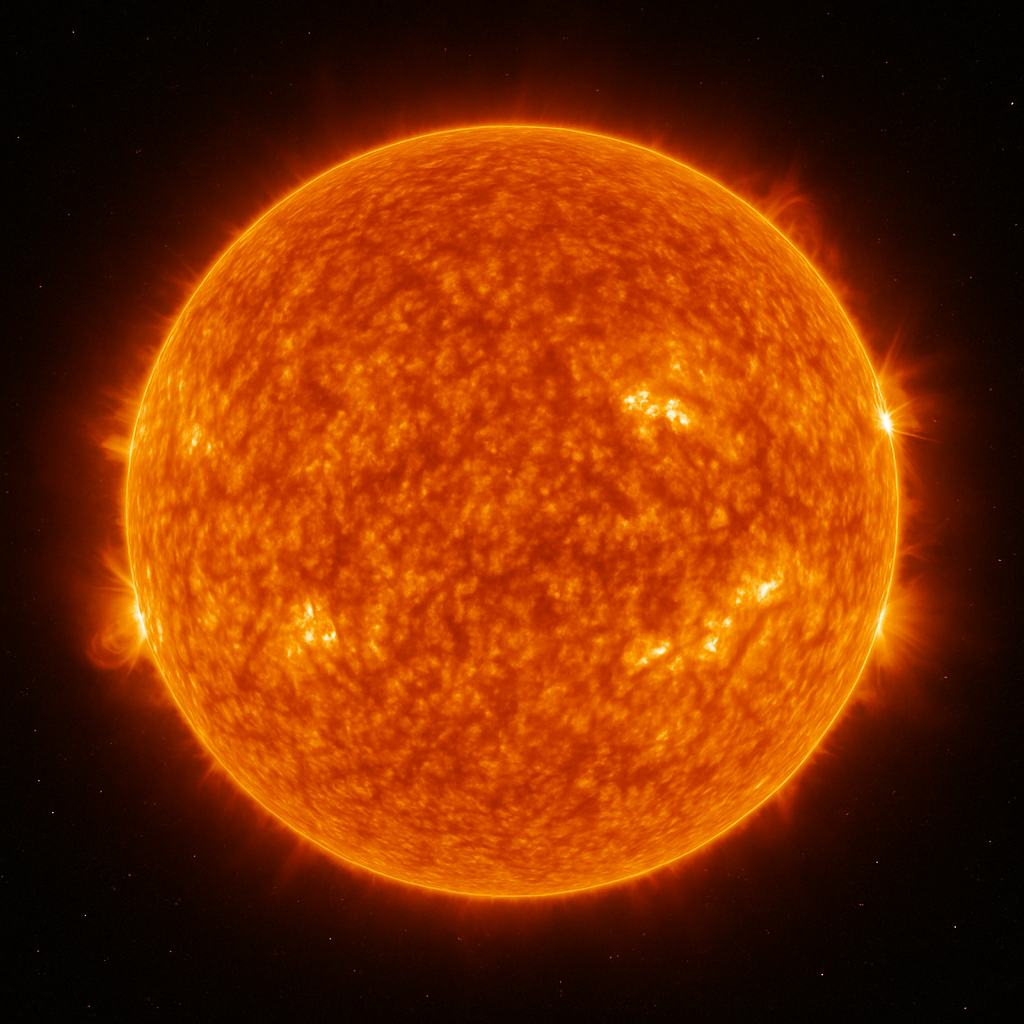
A bright yellow Sun glowing in dark space.

Star at the center of the Solar System

The Sun

The Sun is the star at the center of the Solar System. It gives Earth light and heat, and its gravity keeps the planets moving around it.

Open page
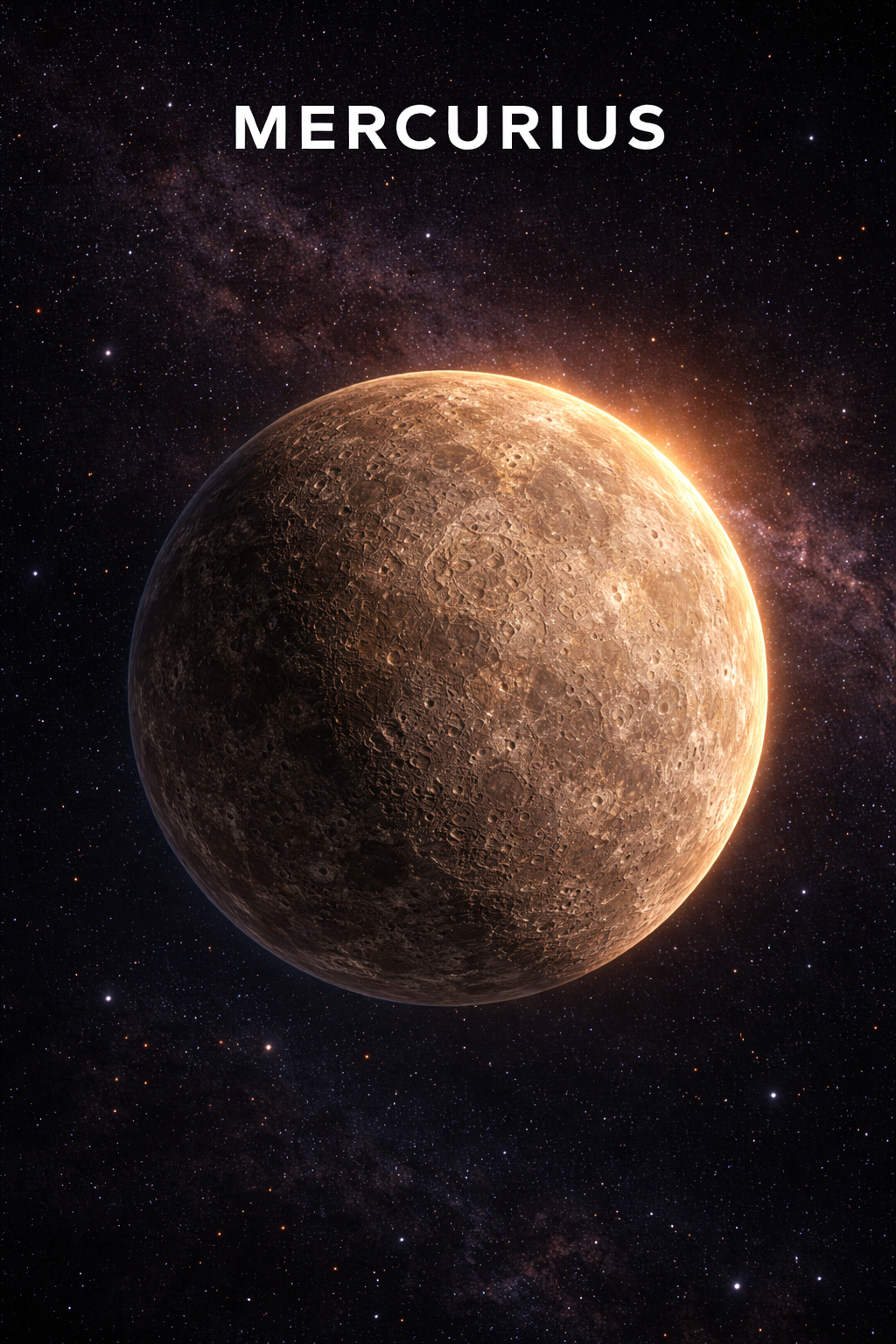
A small rocky brown world with sunlight glowing along one side.

Closest planet to the Sun

Mercury

Mercury is the closest planet to the Sun. It is small, rocky, and covered with many impact marks from long ago.

Open page
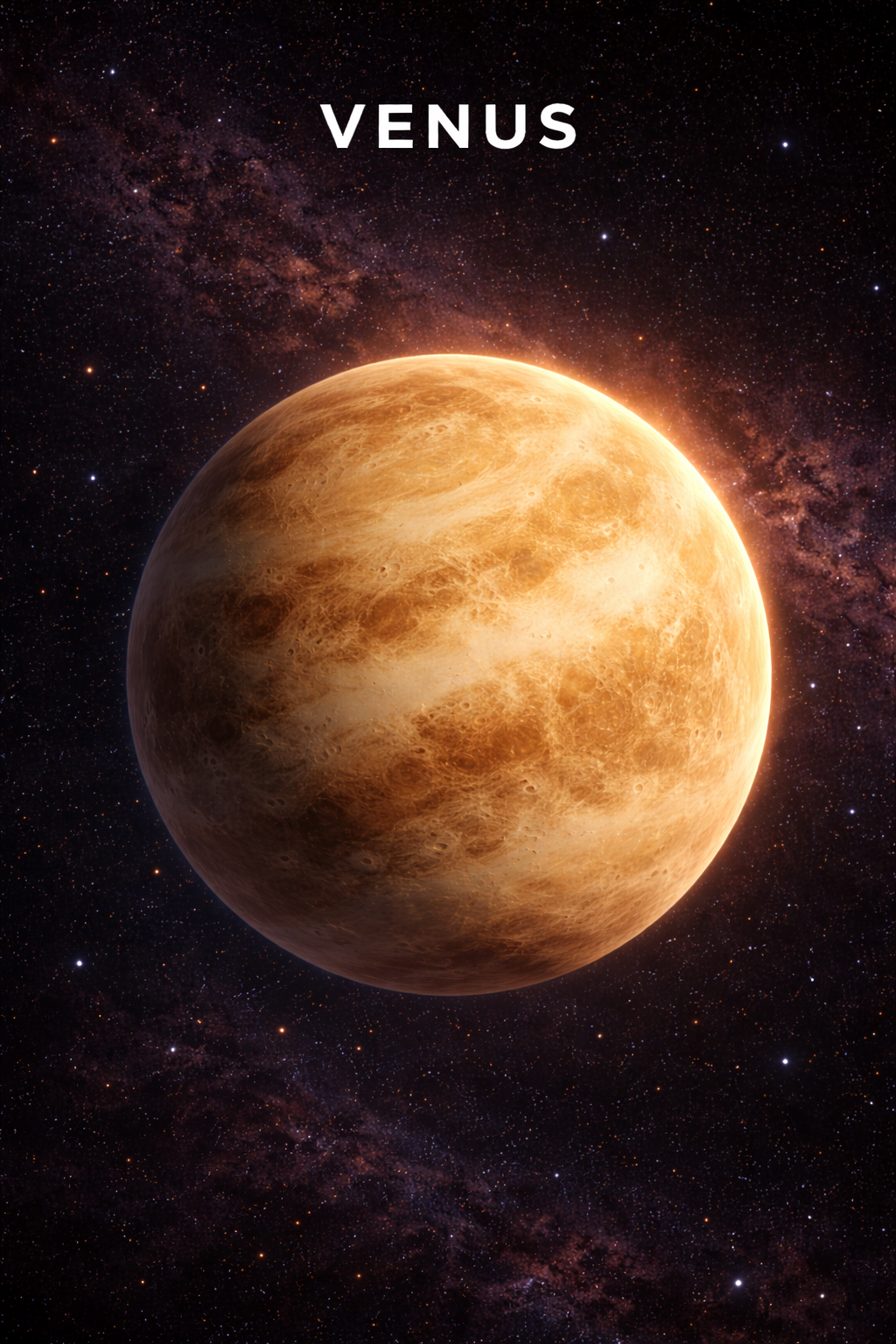
A golden cloudy planet shining in space.

Hot rocky planet

Venus

Venus is the second planet from the Sun. It is close to Earth in size, but its surface is far hotter because a thick atmosphere traps heat.

Open page
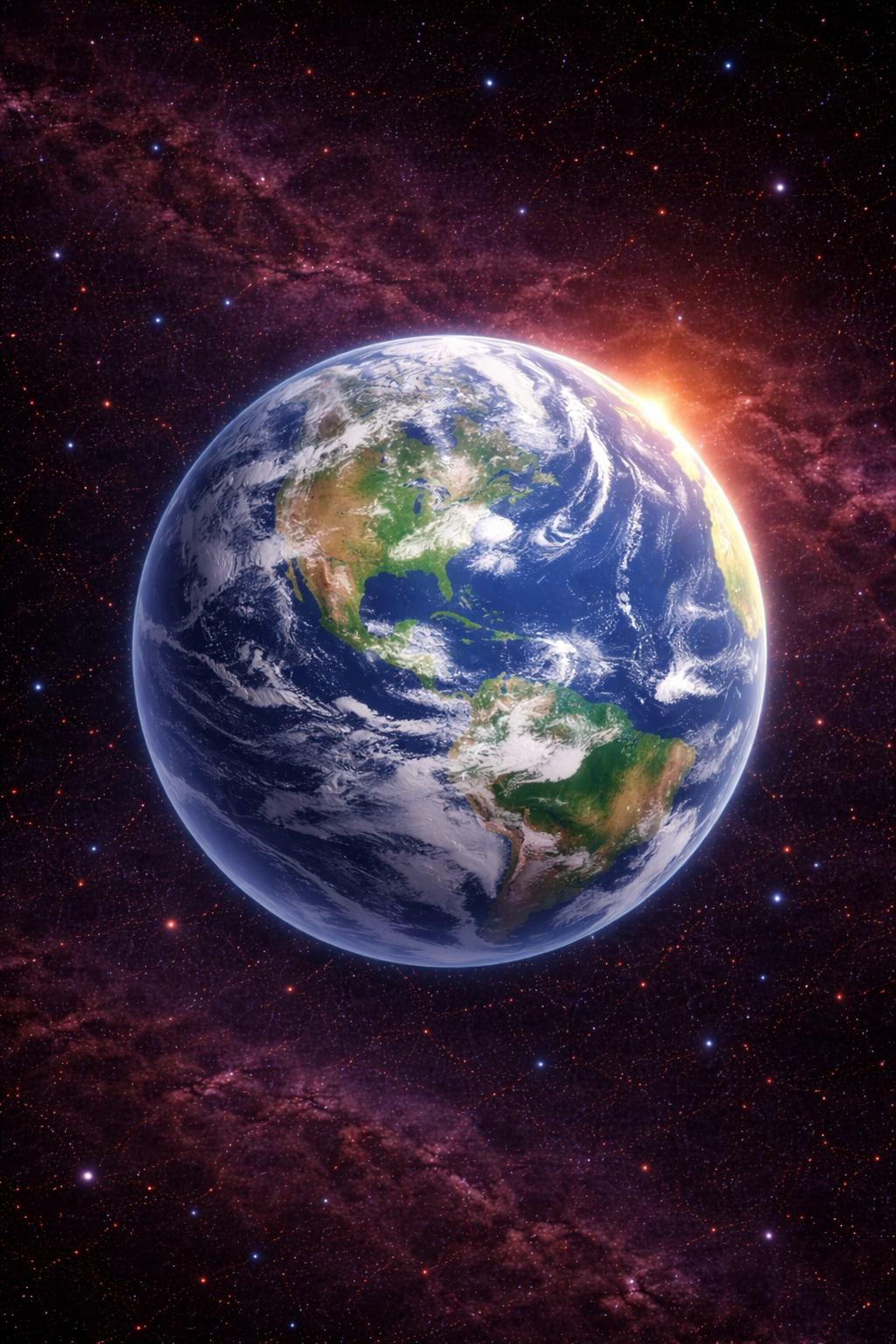
A blue Earth with oceans, clouds, and sunlit land.

Home planet

Earth

Earth is the third planet from the Sun and the home of people, animals, and plants. It has liquid water, a protective atmosphere, and many different environments.

Open page
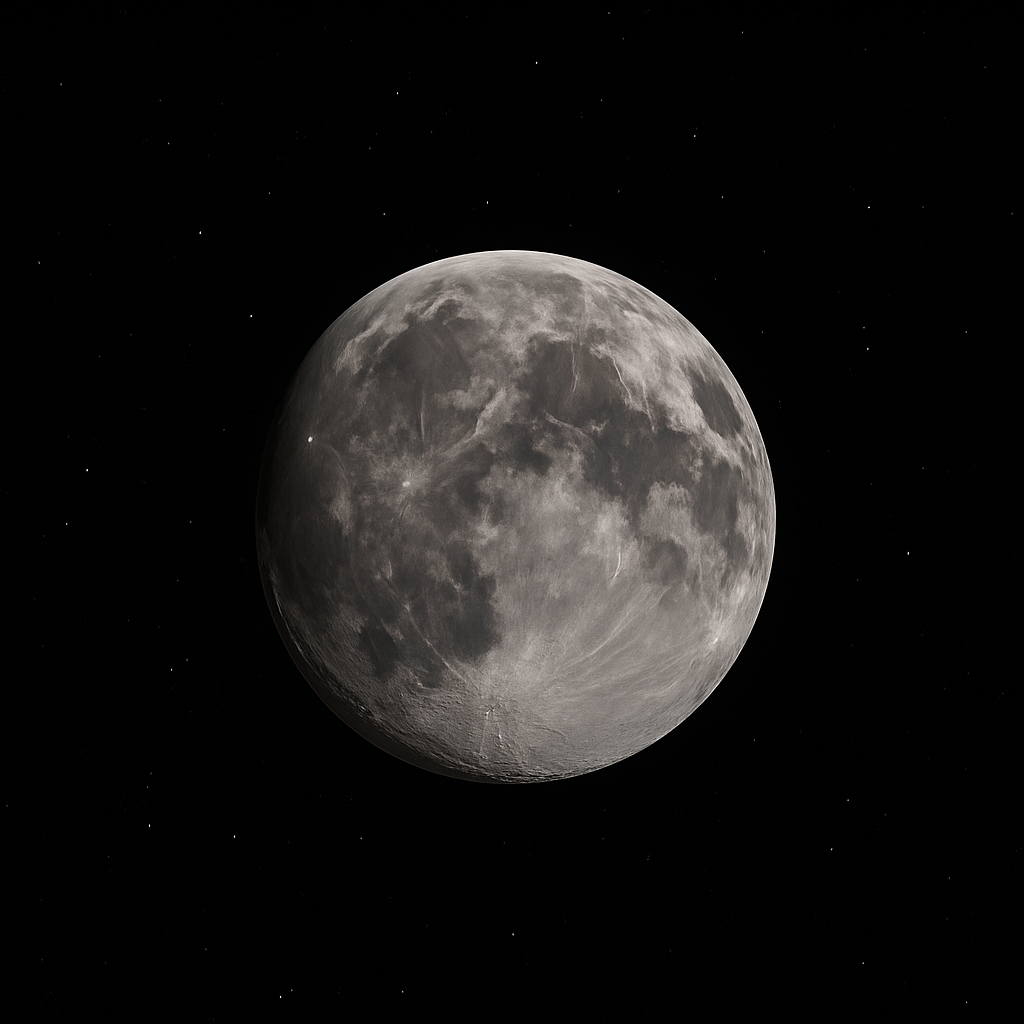
A gray cratered Moon floating in dark space.

Earth’s natural satellite

The Moon

The Moon moves around Earth and reflects sunlight. It does not make its own light, but it can look very bright in the night sky.

Open page
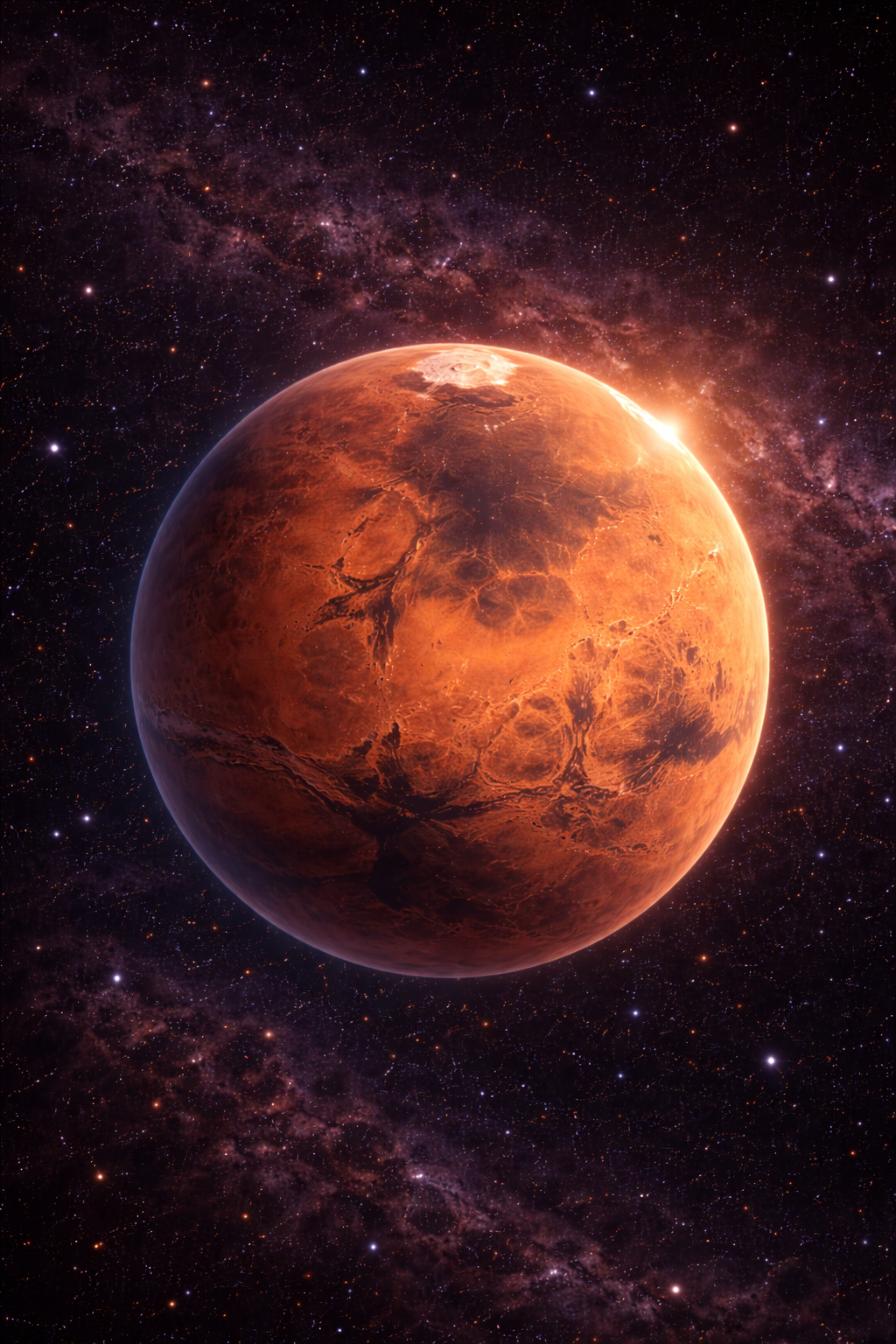
A red rocky planet glowing against a starry background.

Red rocky planet

Mars

Mars is the fourth planet from the Sun. It is often called the Red Planet because iron-rich dust gives it a reddish color.

Open page
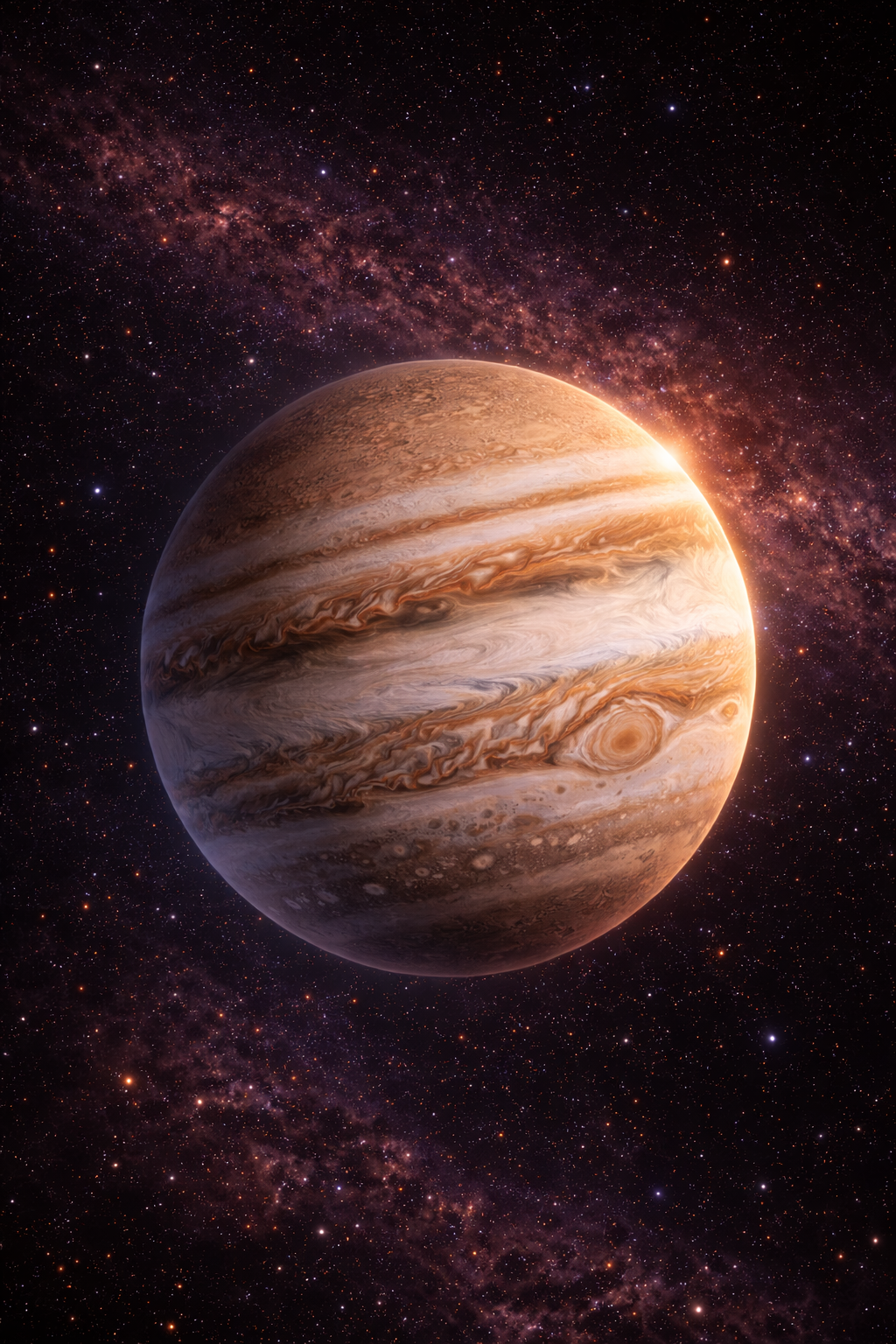
A huge striped planet with bands of cream and brown.

Largest planet

Jupiter

Jupiter is the fifth planet from the Sun and the largest planet in the Solar System. It is a giant world made mostly of hydrogen and helium.

Open page
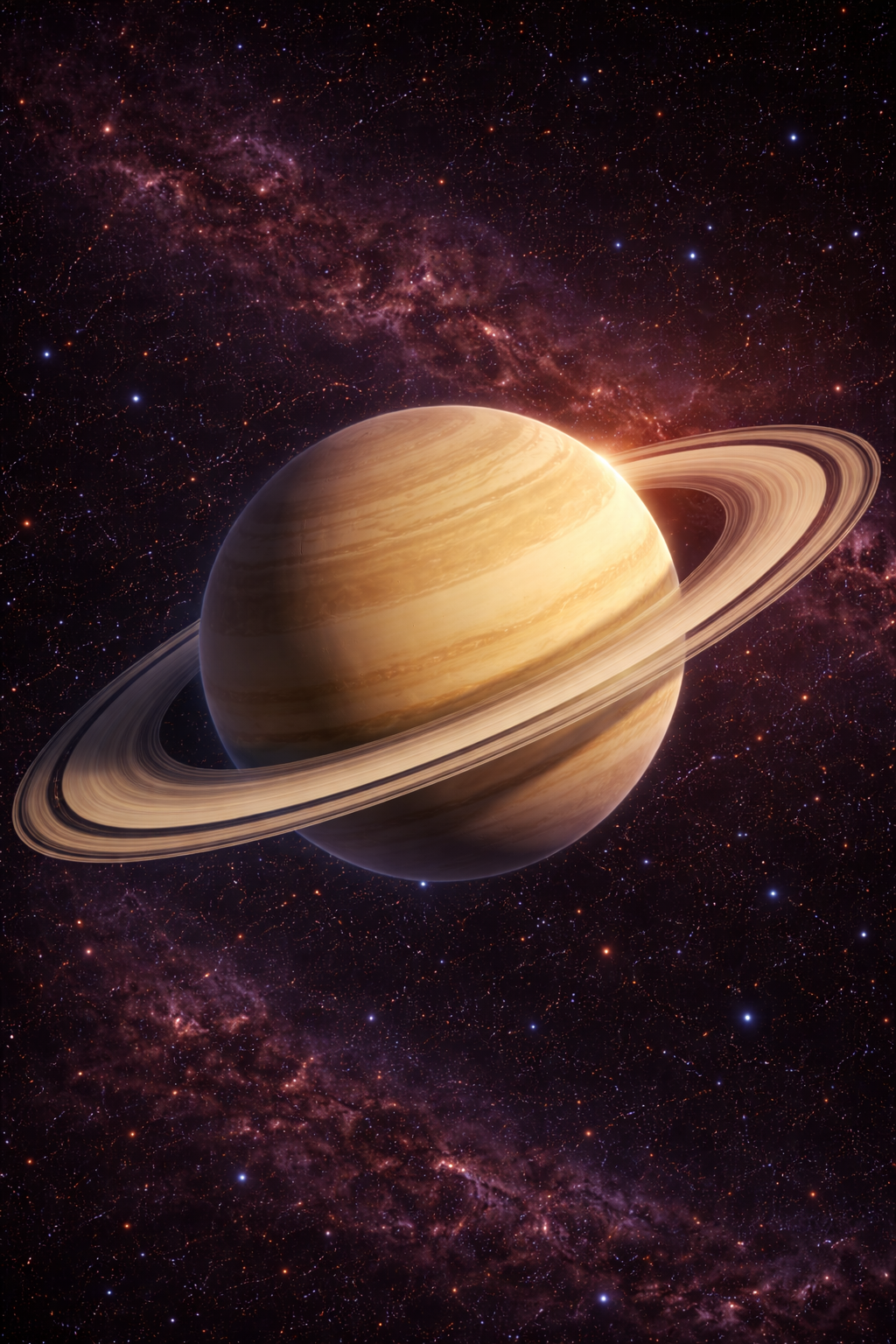
A golden planet with wide rings around it.

Ringed giant planet

Saturn

Saturn is the sixth planet from the Sun. It is best known for its bright ring system, but it is also a very large world with many moons.

Open page
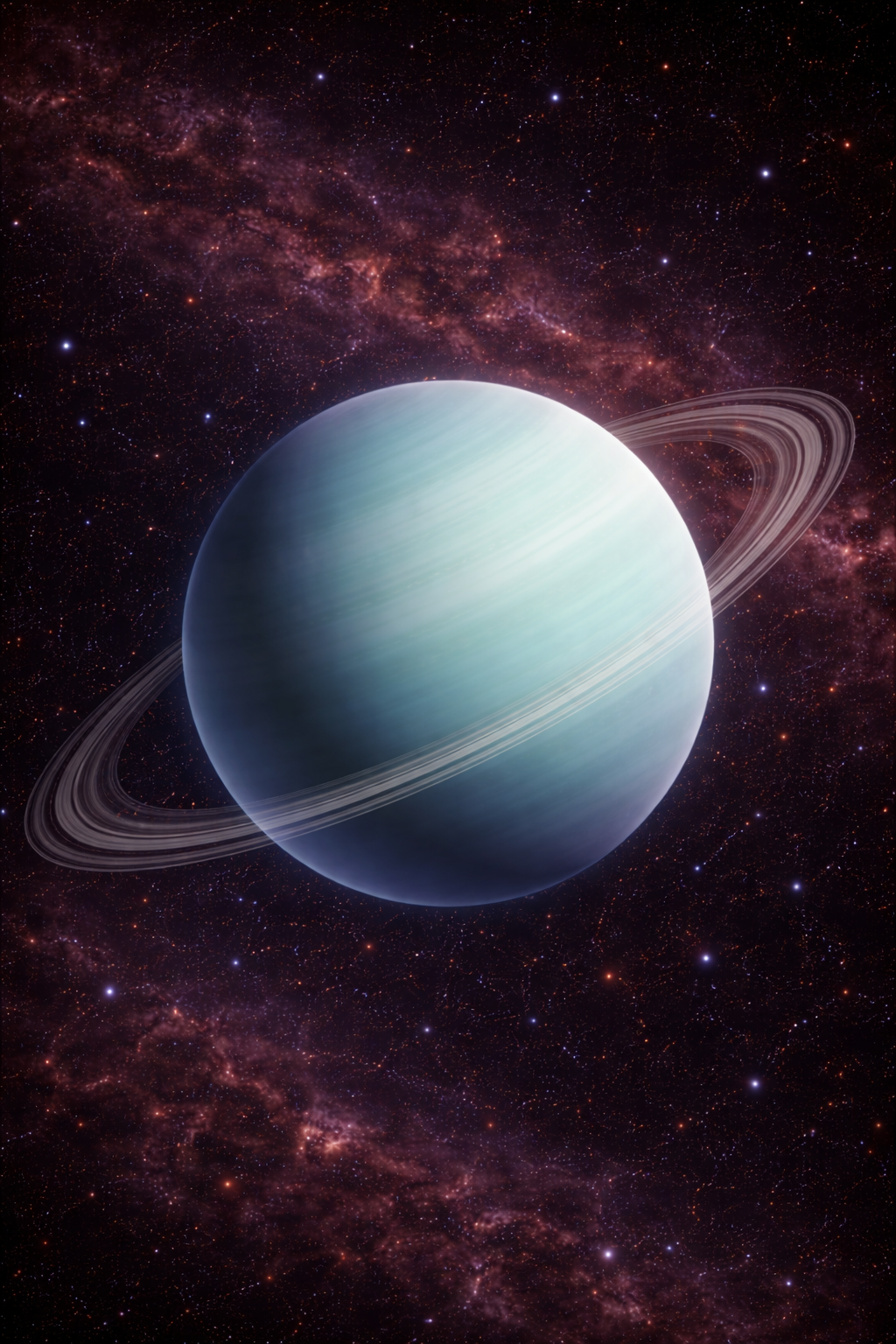
A pale blue-green planet with a thin ring crossing in front of it.

Blue-green ice giant

Uranus

Uranus is the seventh planet from the Sun. It is often called an ice giant because it contains icy materials in addition to gas.

Open page
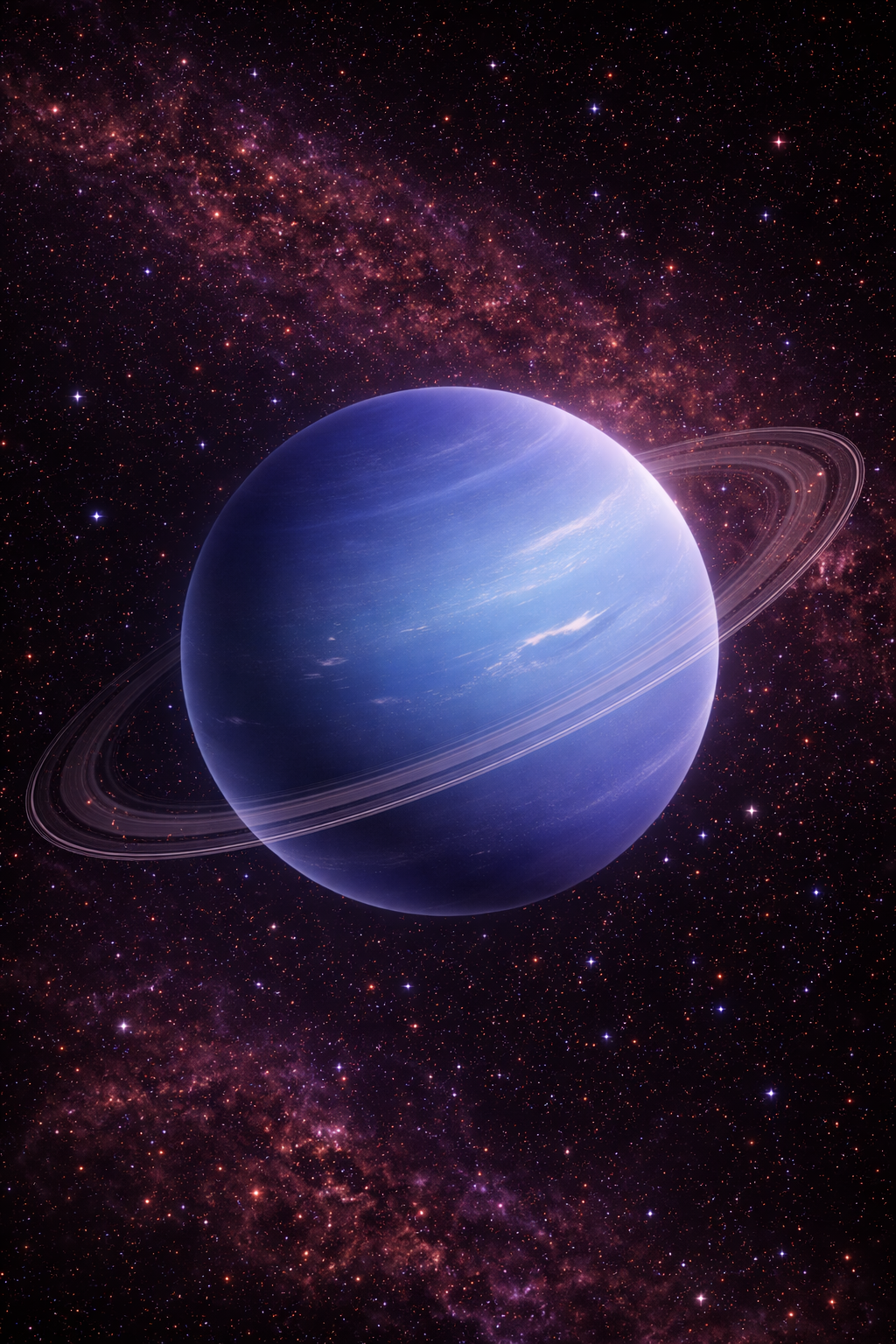
A deep blue planet with a thin ring in front and stars behind it.

Distant ice giant

Neptune

Neptune is the eighth major planet from the Sun. It is a dark blue ice giant far from the Sun and known for powerful winds.

Open page

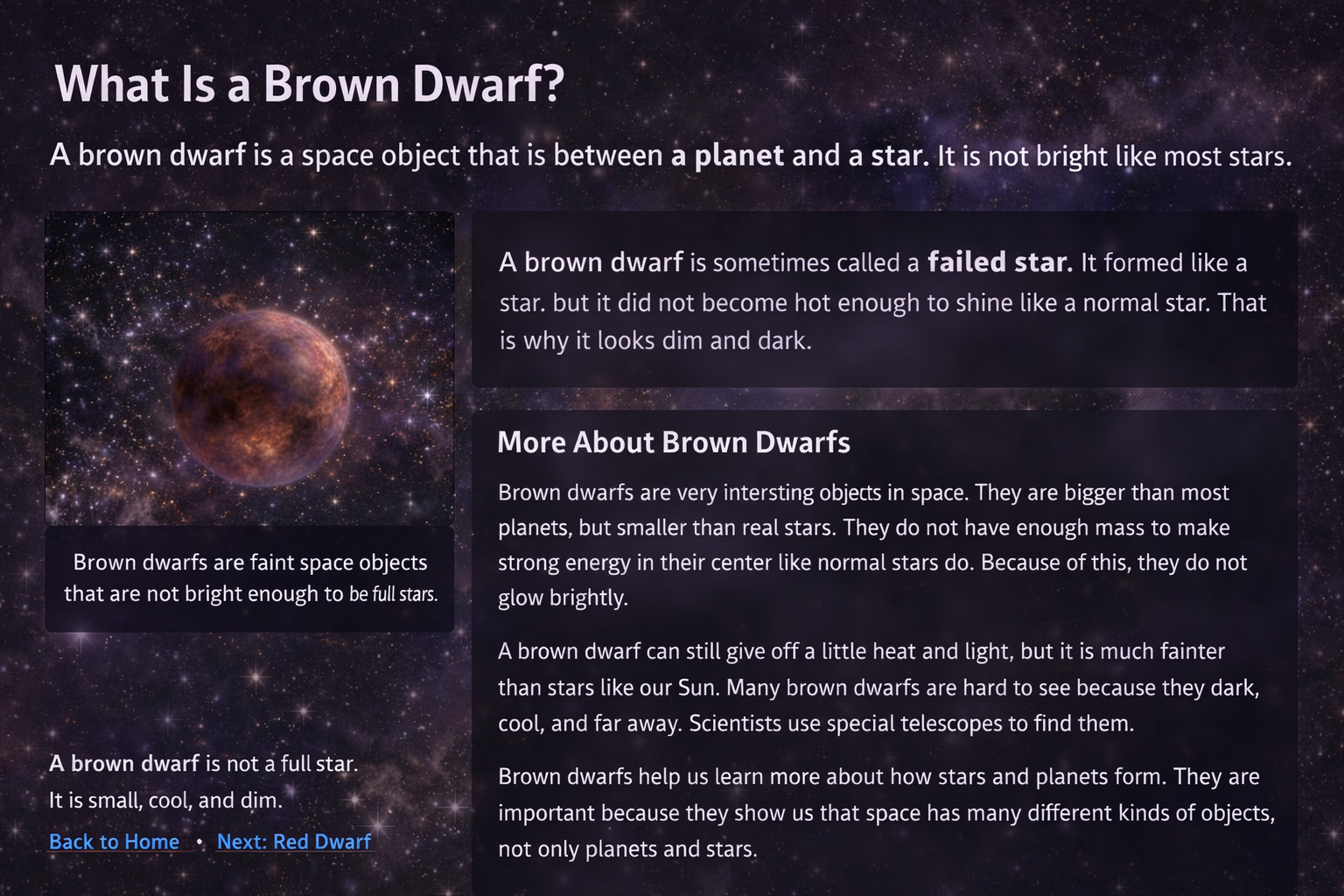
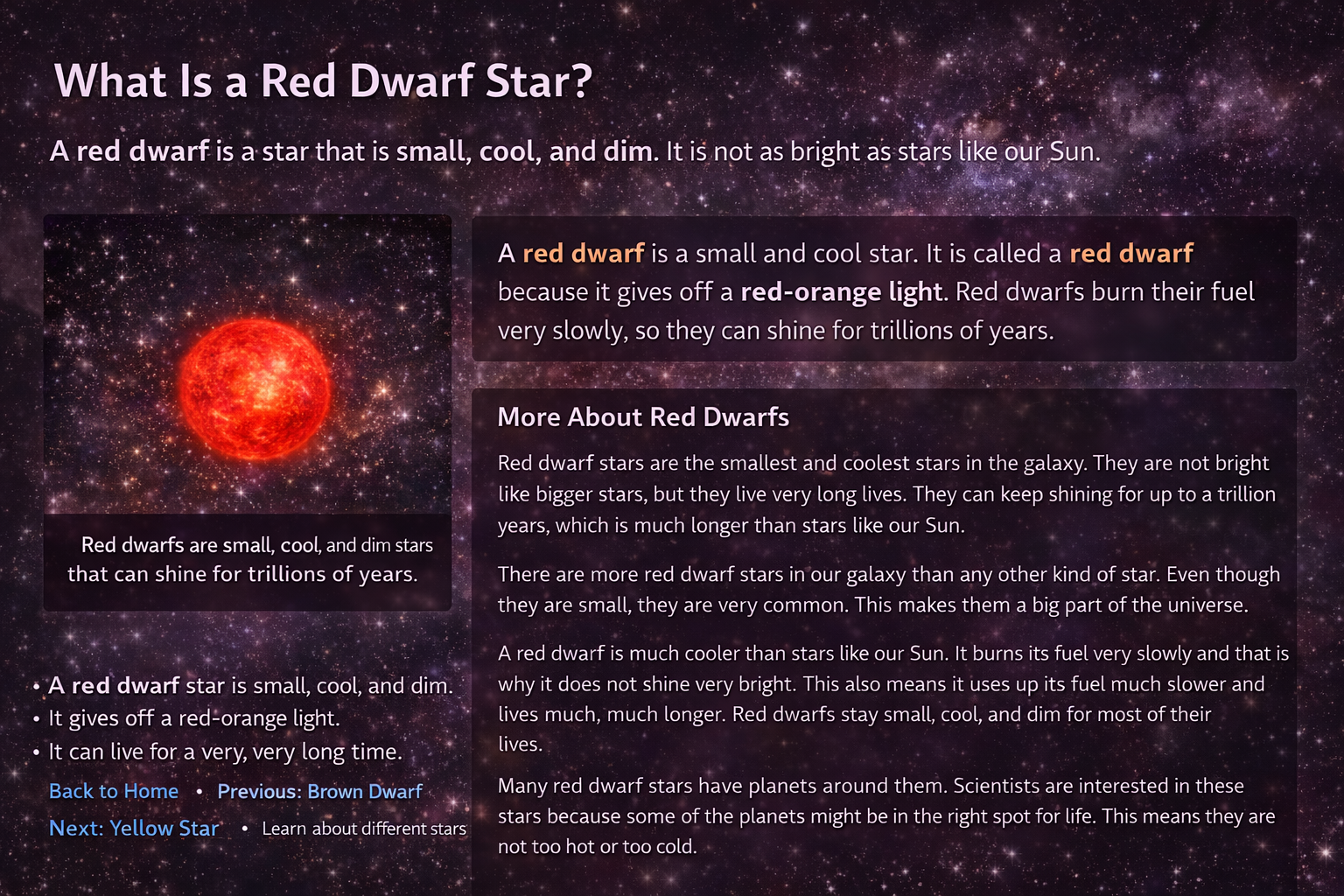
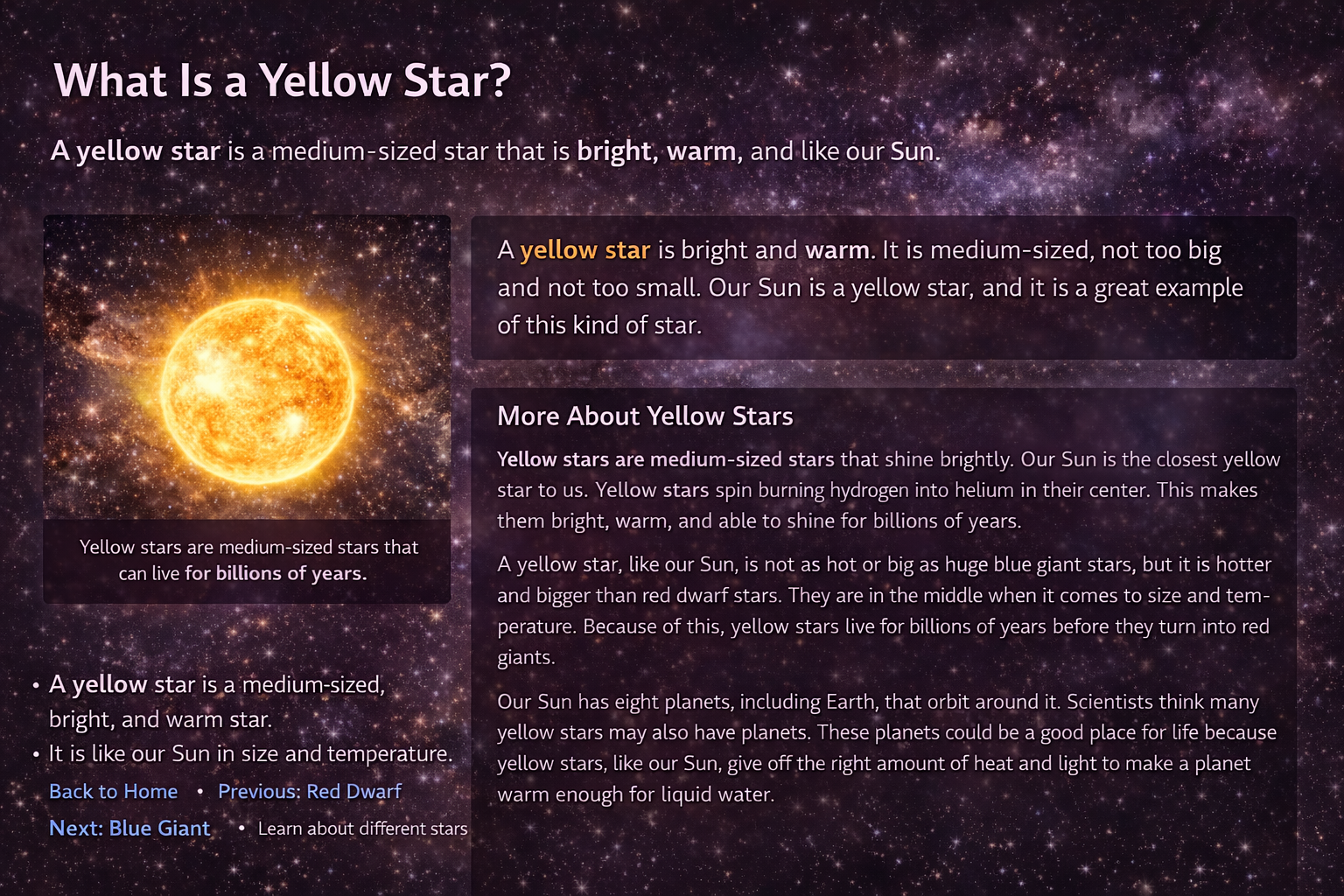
Star guide

Compare small stars, giant stars, and stellar remnants

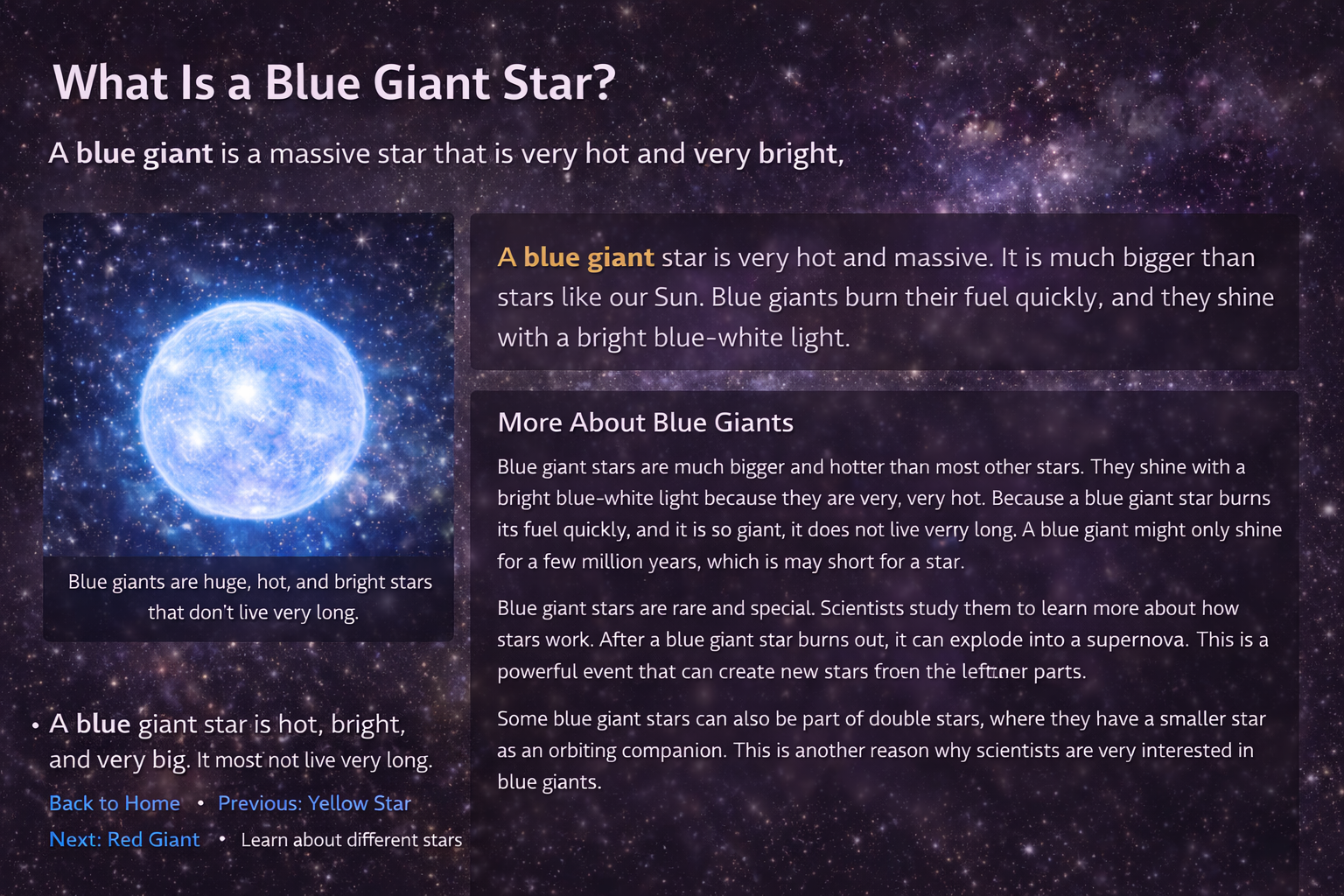
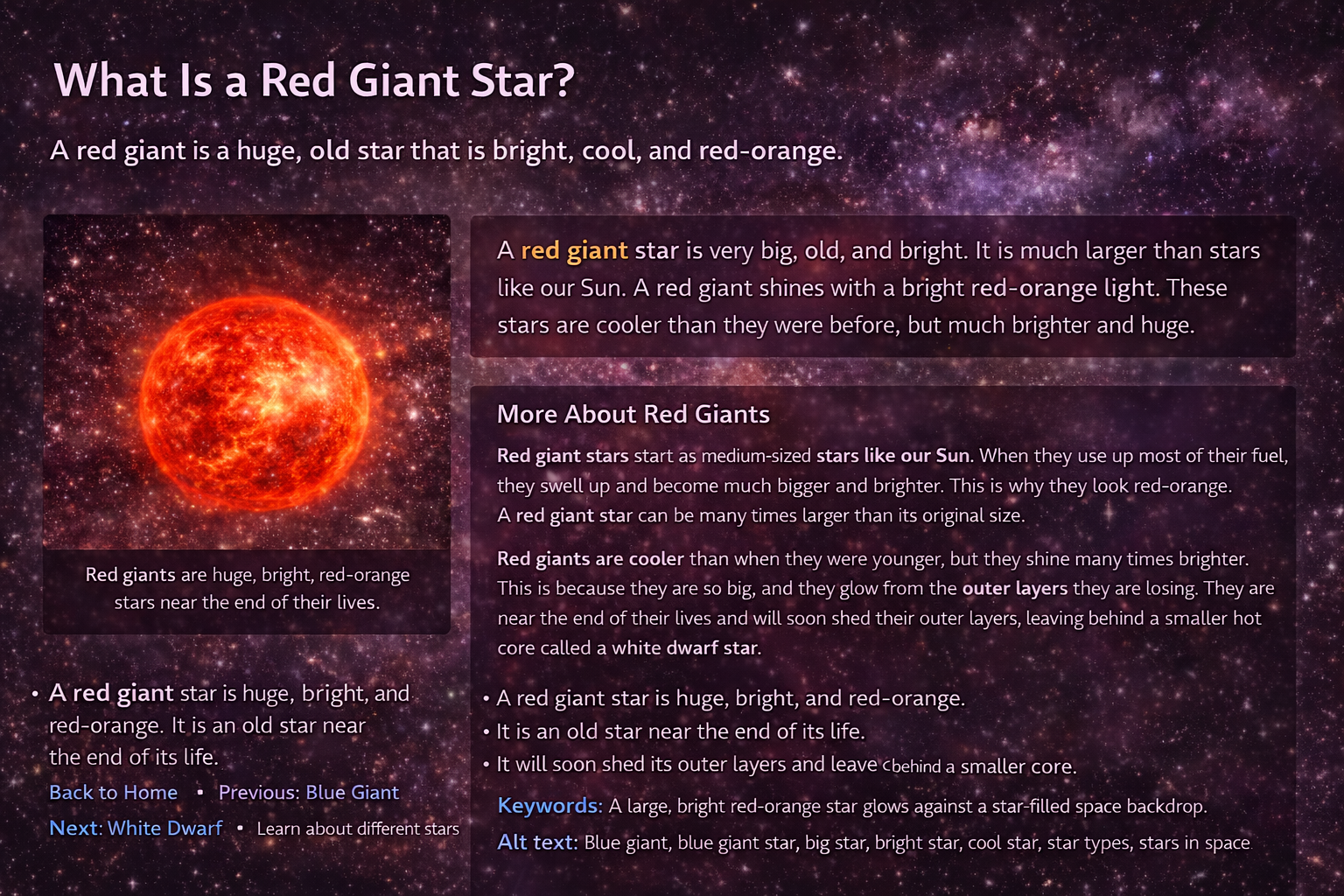
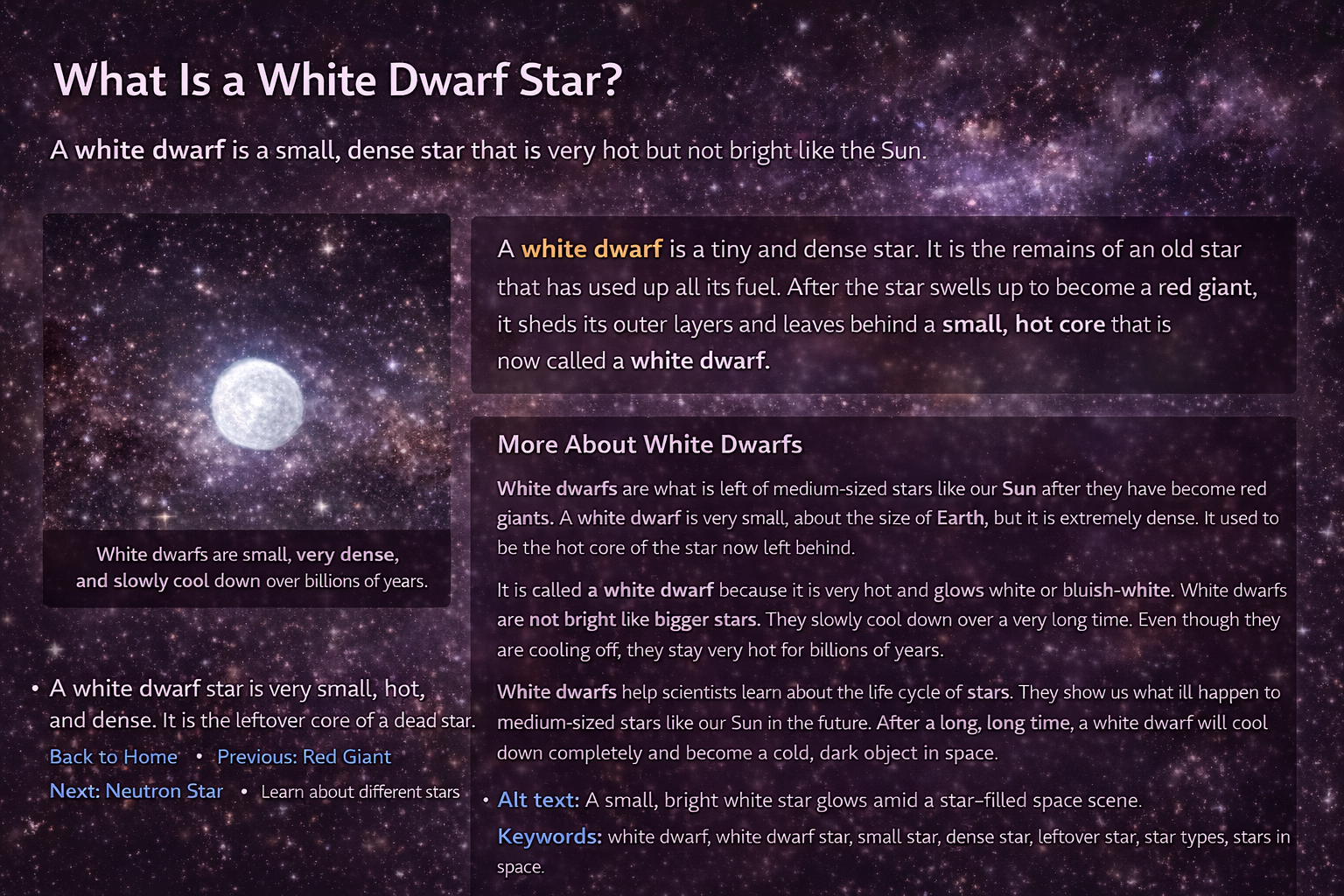
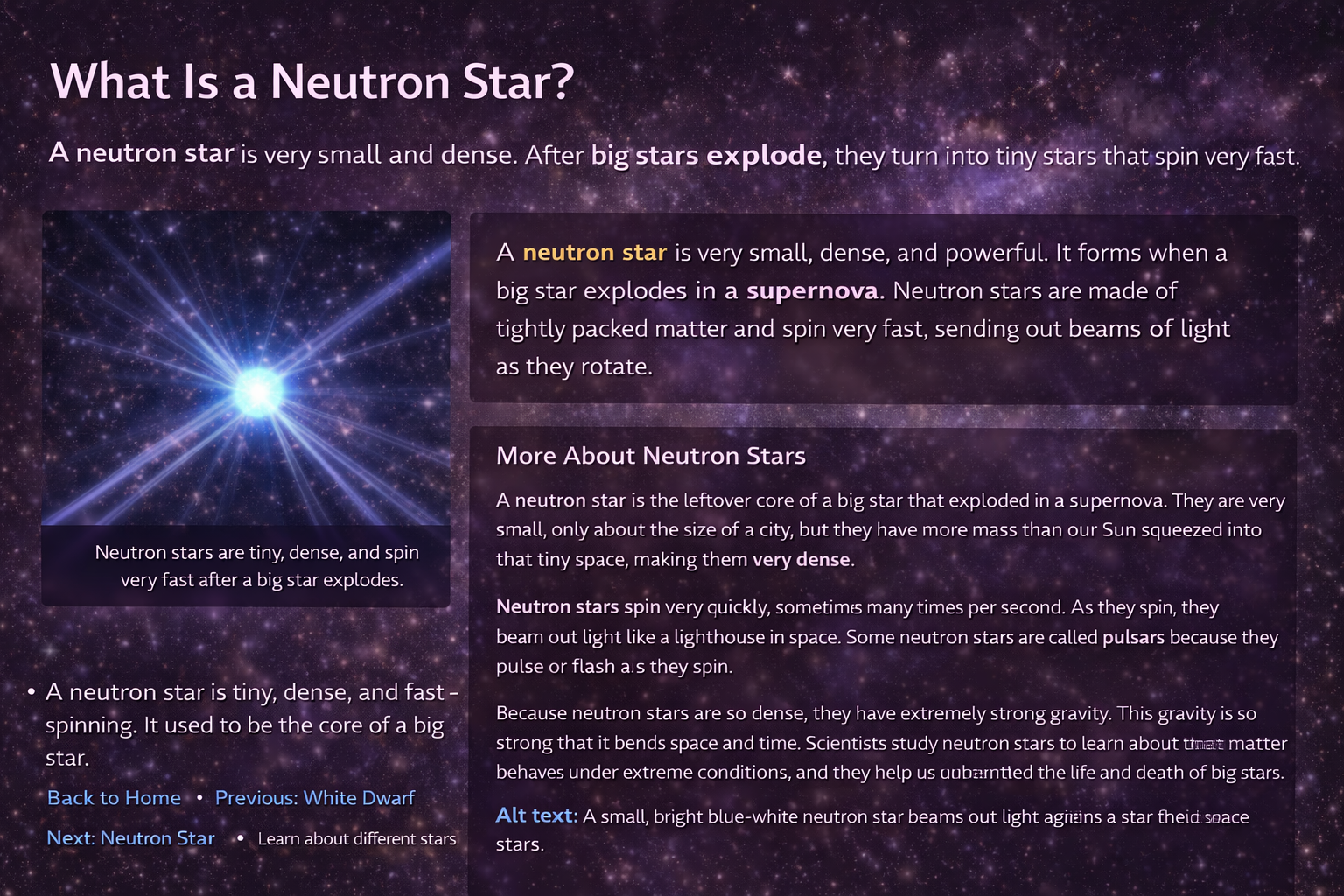
The star pages help the reader understand the differences between dim objects, long-lived stars, giant stars, and the dense remains left behind after huge changes.

Reading path

A calm order that makes sense

  1. Open Solar System for the big picture.
  2. Use Planets to compare the eight major worlds.
  3. Open Planet Order when you want the sequence from the Sun.
  4. Compare Inner & Outer Planets to understand the two main groups.
  5. Continue into Stars when you want to move beyond the Solar System.

Reader support

Clear help pages are always nearby

The site keeps the support pages visible and easy to reach. That gives readers a direct contact option, a simple privacy page, and a clear accessibility page with the reading tools explained.

Helpful questions

Why is the writing so direct?

The page is built for readers who want the main idea first. Every section starts clearly, then adds more detail in short readable blocks.

Can I read this site with larger text or stronger contrast?

Yes. The buttons near the top let you increase text size, add more spacing, switch contrast, and move between light and dark mode.

Will I always be able to find the next page quickly?

Yes. The homepage, overview pages, and topic pages all keep strong buttons visible so the next step is easy to spot.