Order page

From the Sun outward

The order of the major planets

This page is made for readers who first want the basic sequence. You can read the planets from the Sun outward, then use the buttons to open any page in more detail.

A line of planets in order from inner worlds to outer giants.

Remembering the order is easier when you see the planets together and then open them one by one.

From the Sun to Neptune

1

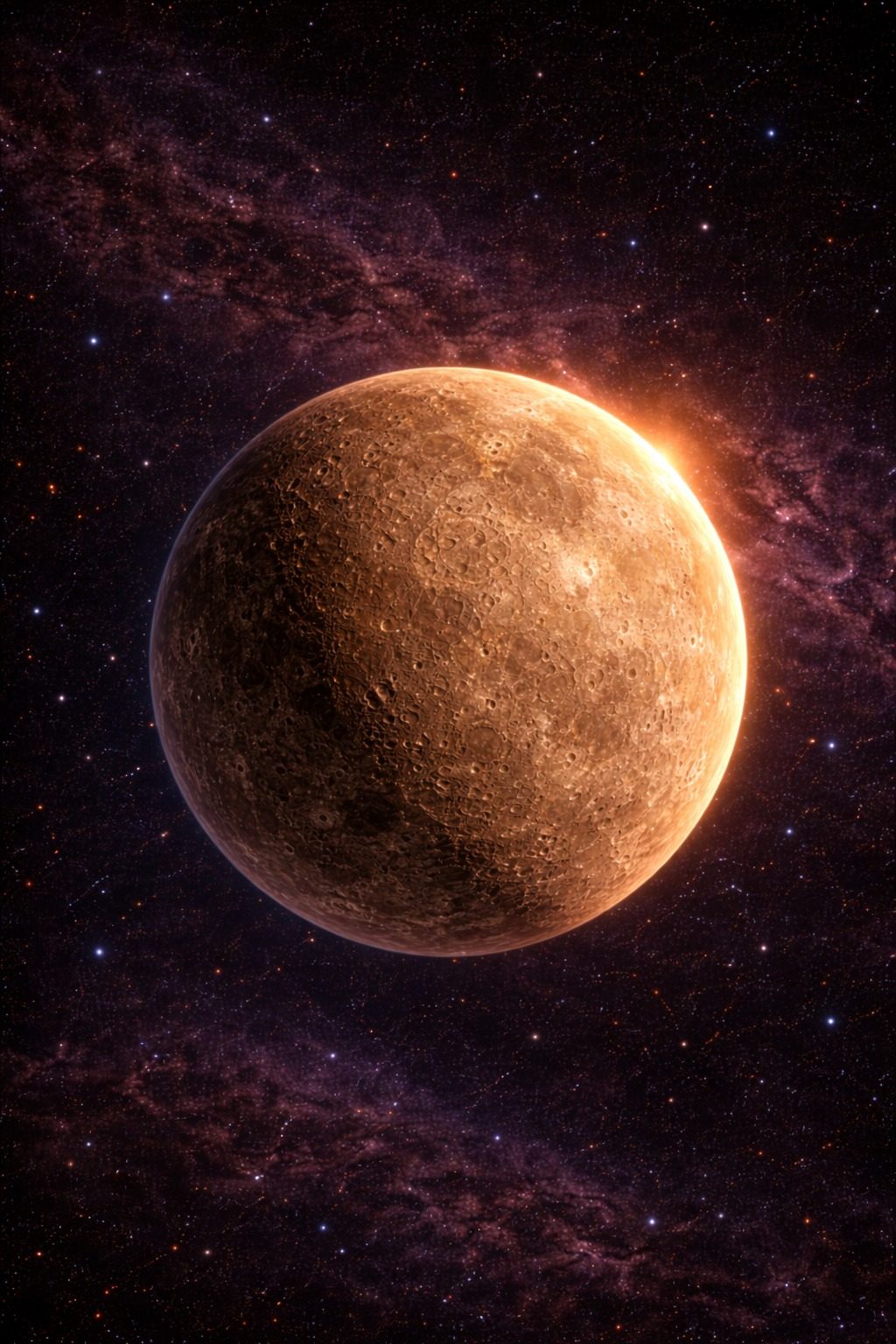
Mercury

Mercury is the closest planet to the Sun. It is small, rocky, and covered with many impact marks from long ago.

2

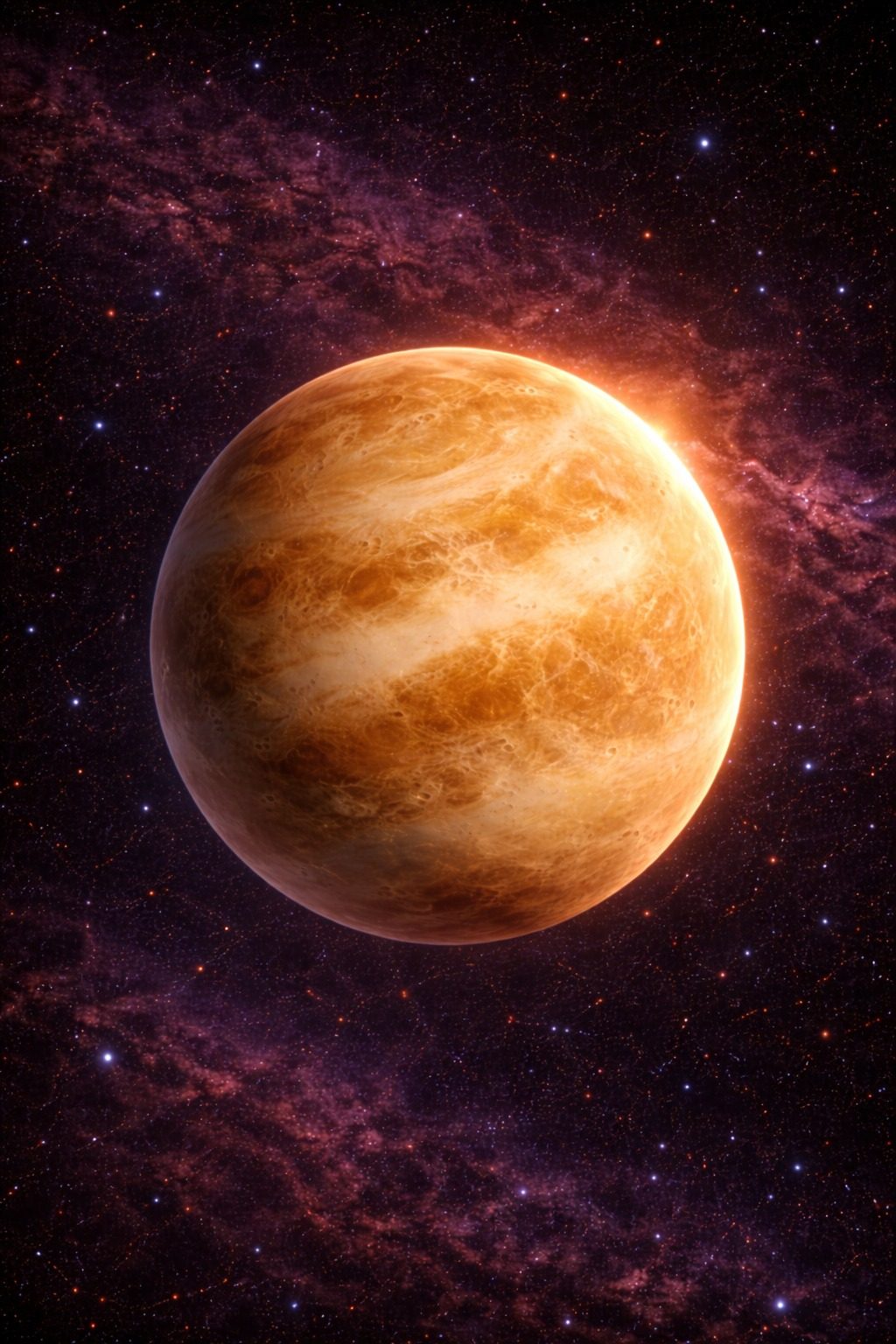
Venus

Venus is the second planet from the Sun. It is close to Earth in size, but its surface is far hotter because a thick atmosphere traps heat.

3

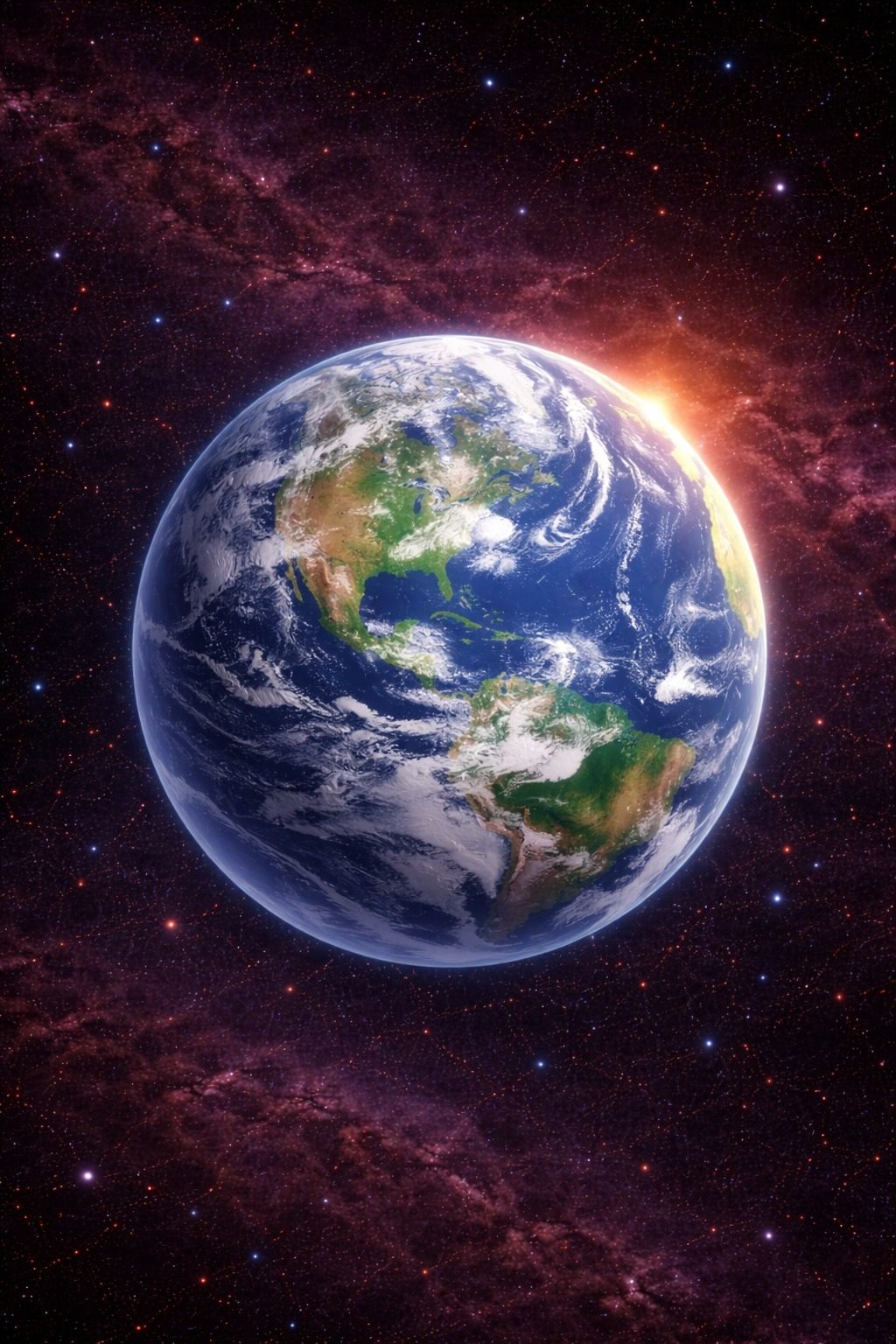
Earth

Earth is the third planet from the Sun and the home of people, animals, and plants. It has liquid water, a protective atmosphere, and many different environments.

4

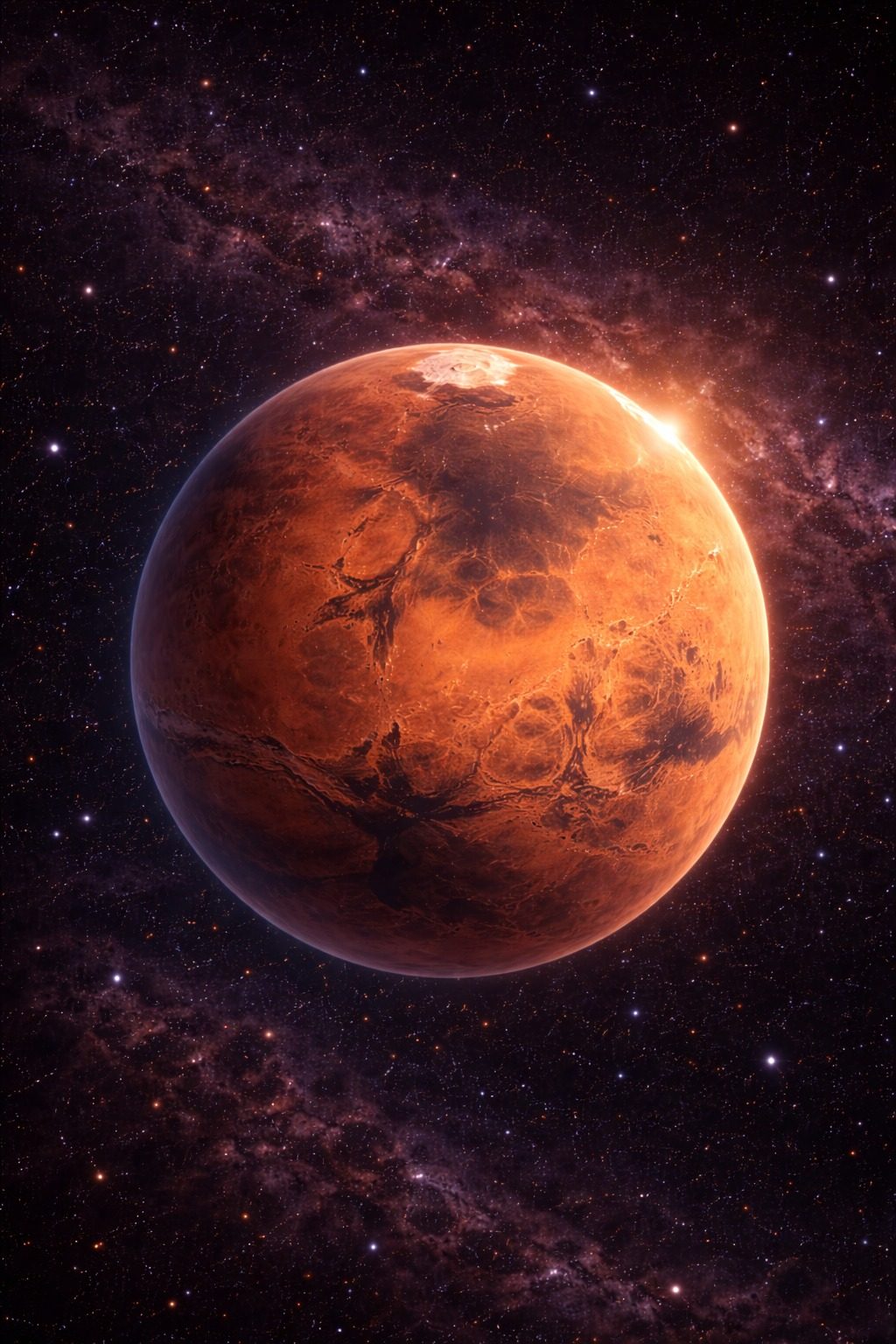
Mars

Mars is the fourth planet from the Sun. It is often called the Red Planet because iron-rich dust gives it a reddish color.

5

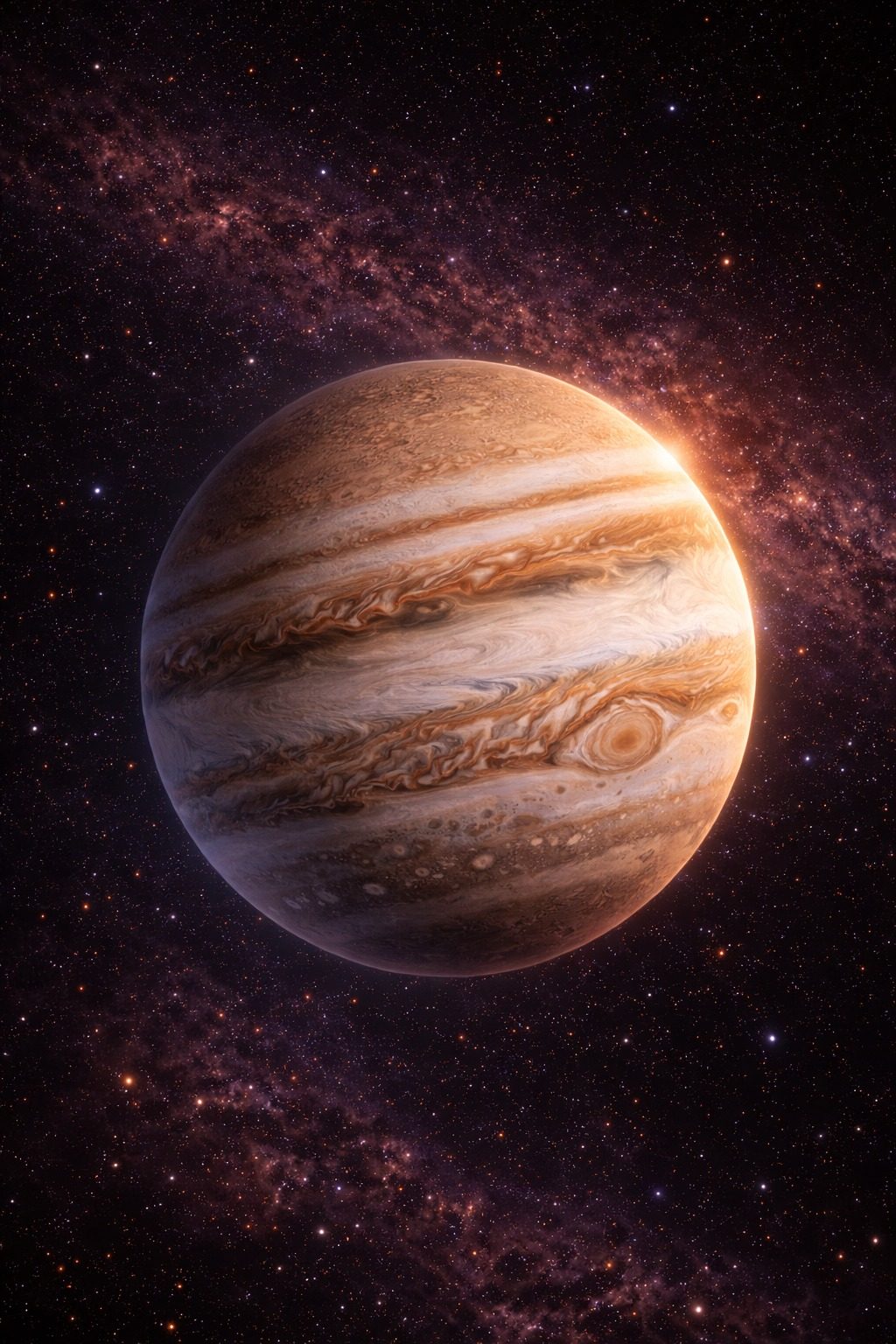
Jupiter

Jupiter is the fifth planet from the Sun and the largest planet in the Solar System. It is a giant world made mostly of hydrogen and helium.

6

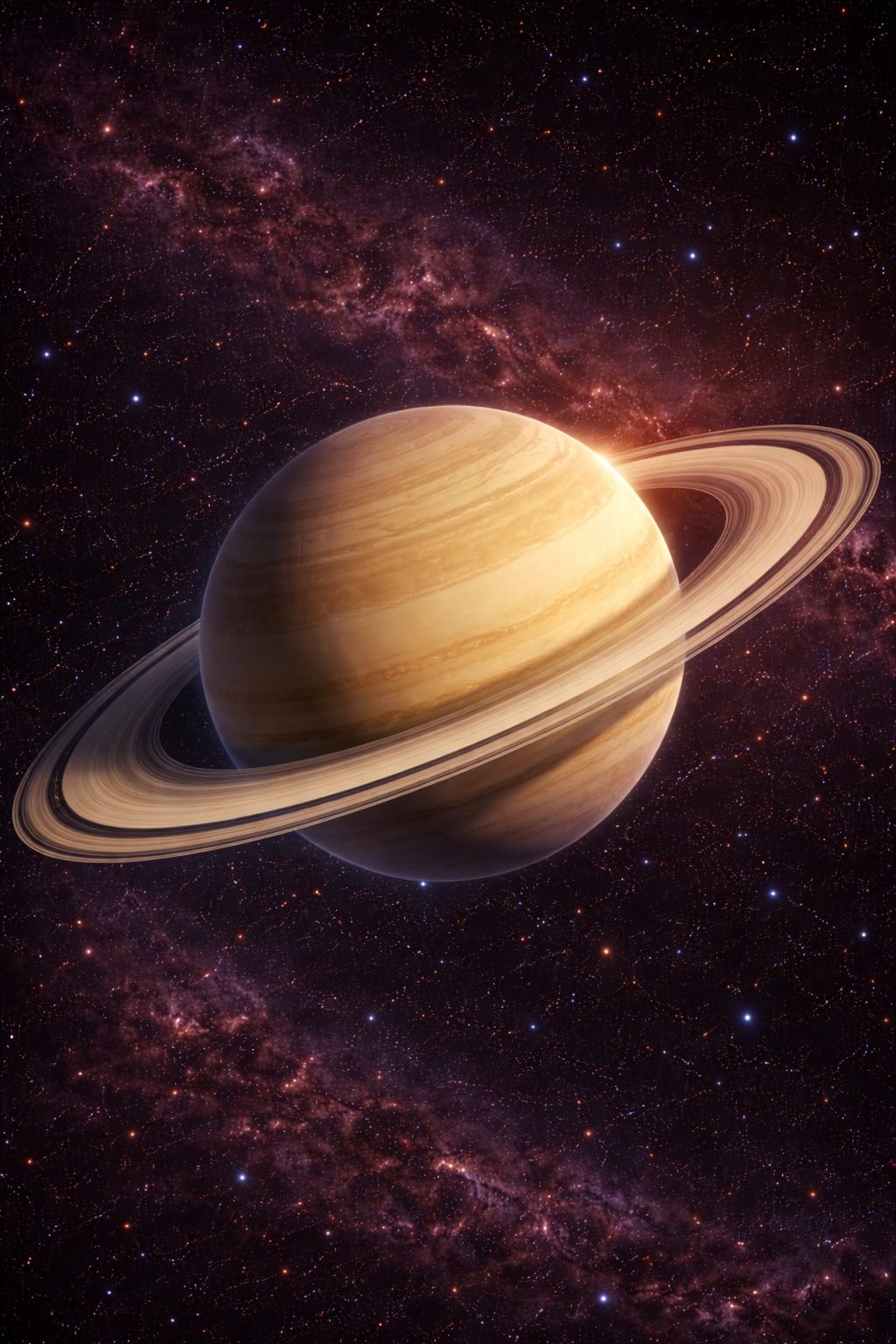
Saturn

Saturn is the sixth planet from the Sun. It is best known for its bright ring system, but it is also a very large world with many moons.

7

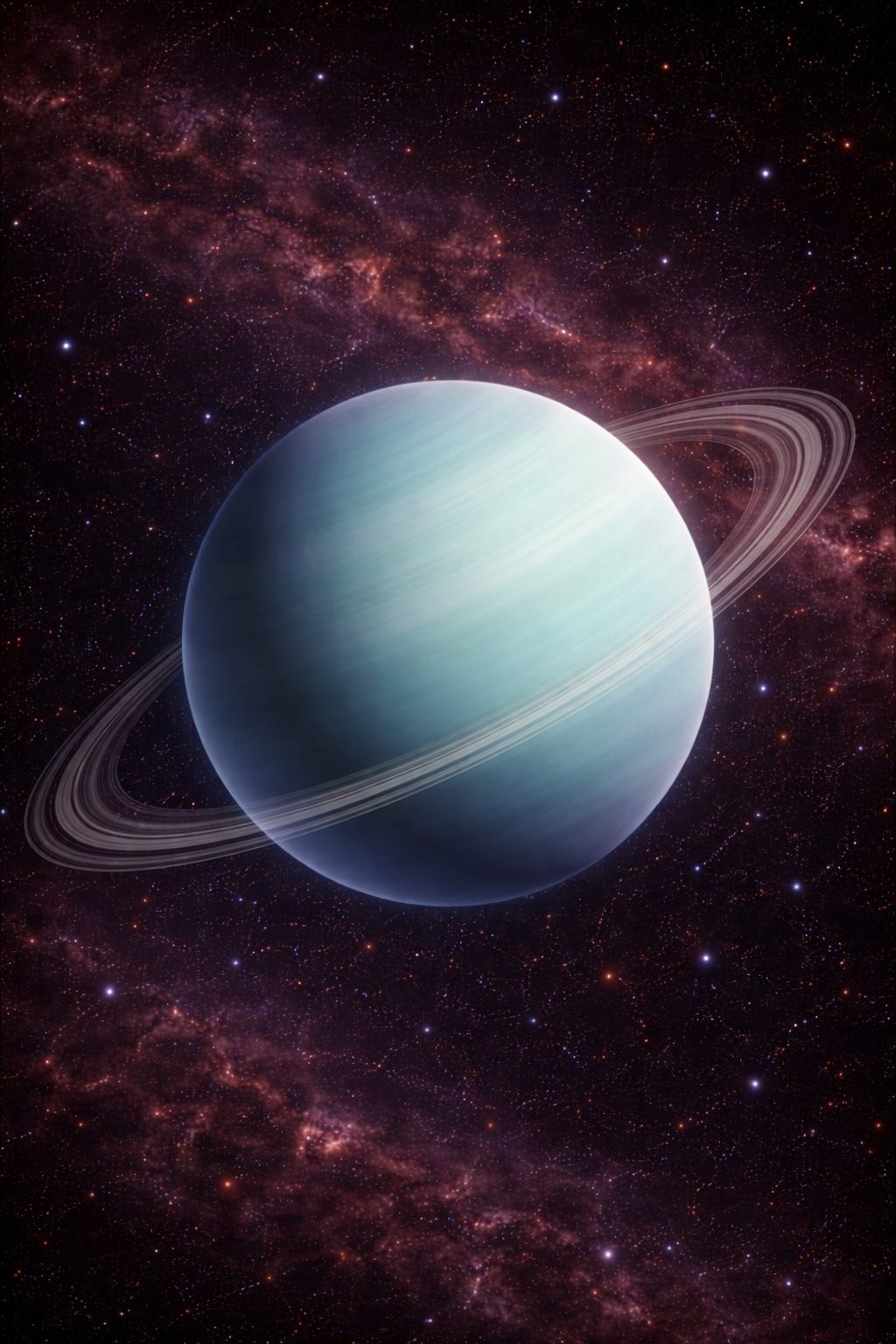
Uranus

Uranus is the seventh planet from the Sun. It is often called an ice giant because it contains icy materials in addition to gas.

8

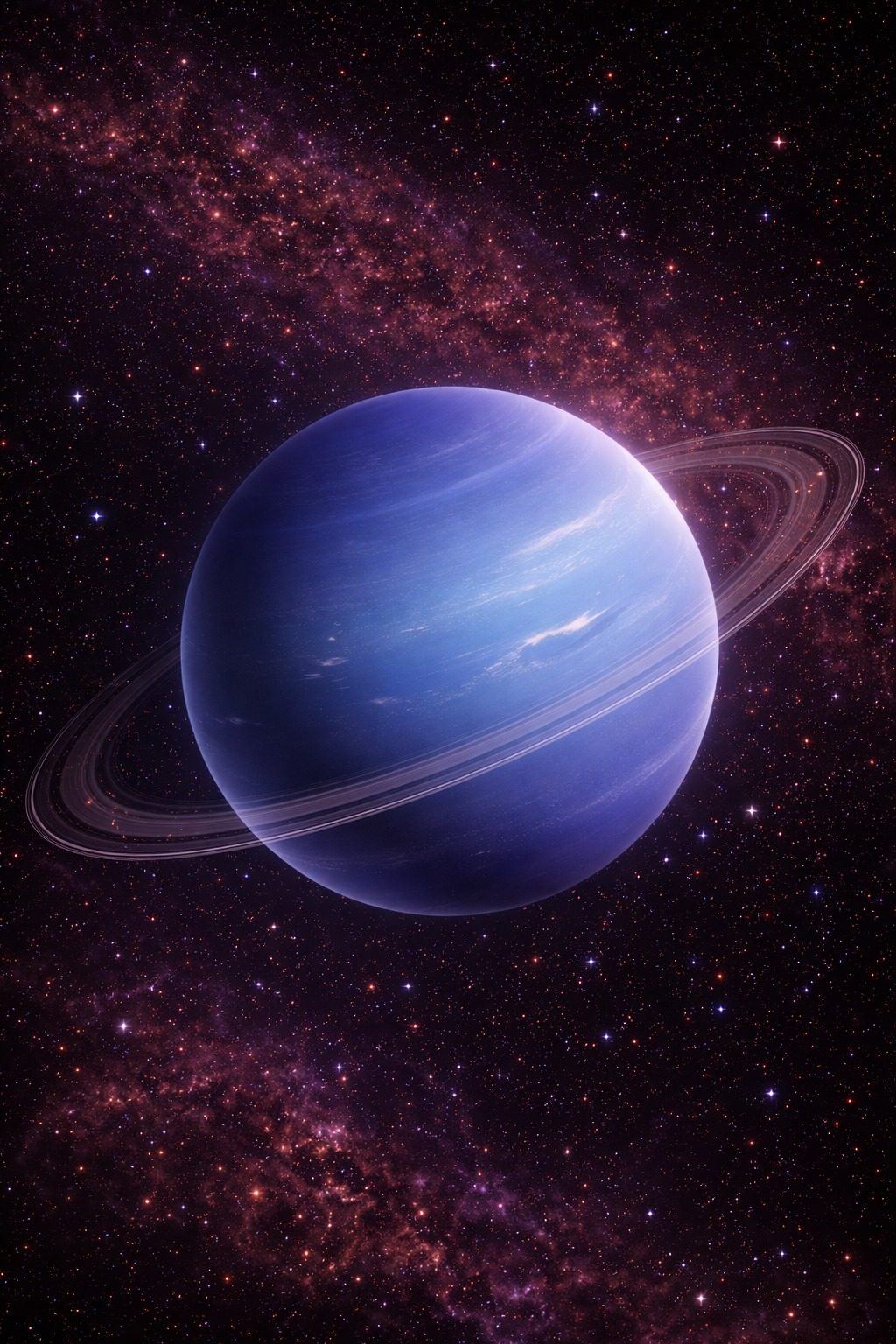
Neptune

Neptune is the eighth major planet from the Sun. It is a dark blue ice giant far from the Sun and known for powerful winds.

Why this order matters

The order helps the reader understand why the inner planets are smaller and rockier while the outer planets are larger and colder. Distance from the Sun changes light, heat, and the overall character of each world.

What comes after this page

Once the order is clear, the next helpful step is to compare the inner and outer groups. That turns a list of names into a structure that is easier to remember.